

The internet in 2026 has moved beyond simple web pages and mobile Trends applications. We are living through a fundamental restructuring of digital infrastructure. The internet is no longer just a passive repository of information accessed through search queries; it has evolved into a persistent, intelligent operational layer that coordinates real-time data, autonomous software agents, and physical-world systems.
Medium
Understanding the modern internet requires looking past consumer marketing buzzwords to examine the technical mechanisms, architectural shifts, and user behavior dynamics powering today’s web.
From Retrieval to Action: The Shift to Agentic Workflows
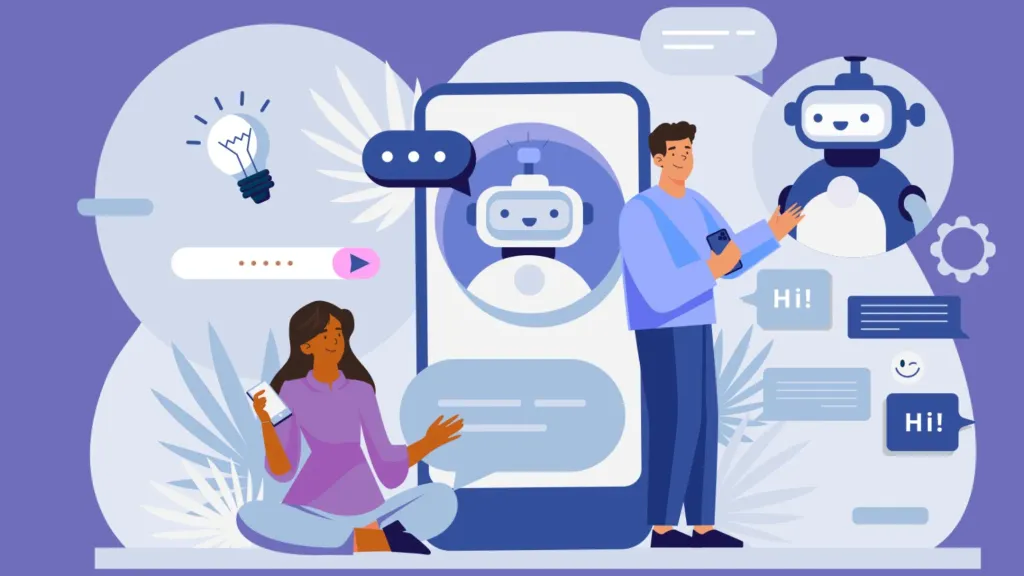
The definitive shift in 2026 internet usage is the transition from Large Language Models that generate text to Autonomous AI Agents that execute complex workflows.
Esade
┌─────────────────────────────────────────────────────────────────────────────┐
│                    THE 2026 DIGITAL ECOSYSTEM ENGINE                        │
├───────────────────┬───────────────────────────┬─────────────────────────────┤
│ INTERACTION LAYER │ EXECUTION ARCHITECTURE    │ DATA & TRUST LAYER          │
├───────────────────┼───────────────────────────┼─────────────────────────────┤
│ • Autonomous AI   │ • Edge & Sovereign Cloud  │ • Zero-Trust & Confidential │
│   Agents          │   (Cloud 3.0)             │   Computing                 │
│ • Natural Language│ • Multi-modal Real-time   │ • Authenticity Protocols    │
│   & Voice Search  │   Processing Pipelines    │   (C2PA, Watermarking)      │
└───────────────────┴───────────────────────────┴─────────────────────────────┘
Rather than using a web browser to manually research, compare prices, and complete transactions across five different tabs, users delegate these tasks to autonomous agents. These systems interface directly with web APIs via standardized protocols to execute end-to-end actions—such as booking travel itineraries, filing insurance claims, or orchestrating software deployments.
Cloud 3.0: Hybrid Compute, Edge Networks, and Data Sovereignty
The centralization of all internet compute into a few monolithic public cloud data centers has reached its architectural limit. Real-time AI inference, low-latency applications, and strict international privacy mandates have brought about Cloud 3.0.
This decentralized structure keeps sensitive user data close to its point of origin while deploying AI inference directly at the edge—on local devices, regional cell towers, and smart infrastructure—reducing bandwidth bottlenecks and latency.
Generative Engine Optimization (GEO) & Search Restructuring
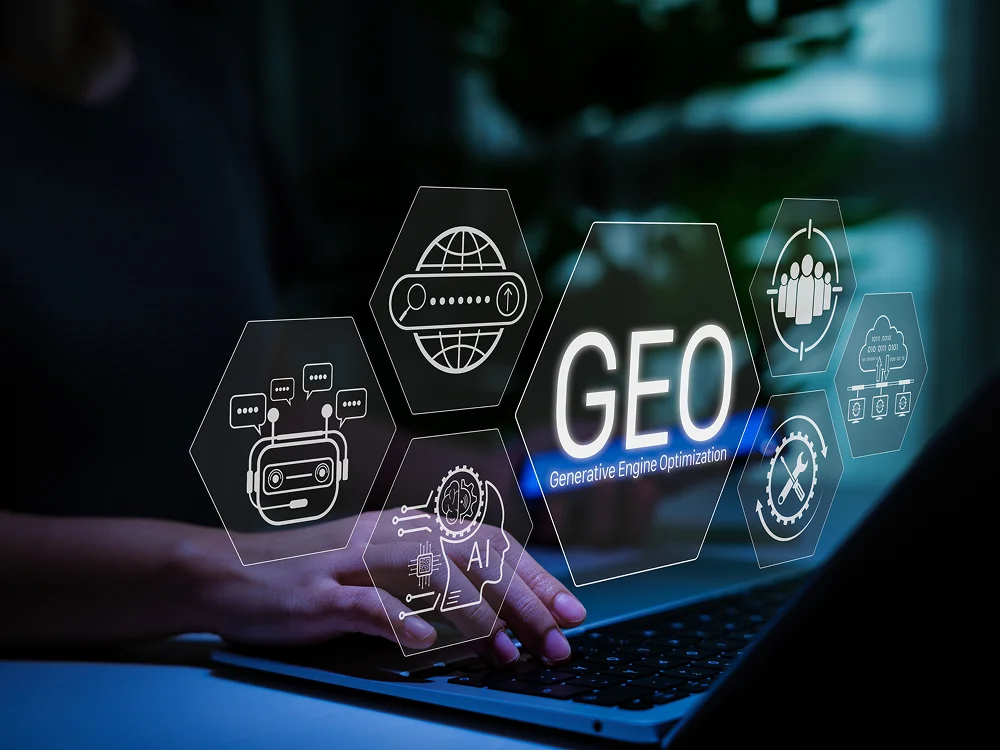
Traditional SEO built around keyword stuffing, metadata tweaking, and link farming has lost its dominance. Modern discovery relies on Generative Engine Optimization (GEO)—structuring information so LLMs and generative search engines can consume, synthesize, and cite it within real-time responses.
Search platforms now reward Information Gain—the inclusion of net-new facts, original research, or primary technical insights that cannot be synthesized from existing web content.
The E-Commerce Evolution: Social Commerce & Real-Time Personalization
Online shopping has shifted from static product catalogs to dynamic, context-aware commerce engines.
As automated tools make web security threats more sophisticated, traditional perimeter defenses are obsolete. Modern cybersecurity operates on an assumption of compromise: Never Trust, Always Verify.
Critical Security Protocols
- Passkey Adoption: Transitioning away from text passwords toward asymmetric cryptographic key-pairs bound to user biometrics.
- Content Authenticity Provenance (C2PA): Cryptographic watermarking attached to media at the point of creation to verify human origin and prevent deepfake spoofing.
- Confidential Computing: Encrypting data while it is actively being processed in memory, preventing unauthorized access even from cloud providers or root-level host exploits.
Comparative Matrix: The Digital Paradigm Shift
Action Plan for Organizations and Developers

- API-First Architecture: Ensure every public service, product listing, and database feature is fully documented and accessible via structured APIs for AI agent consumption.
- Transition to Passkeys: Deprecate password-based login endpoints in favor of WebAuthn and passkey standards to secure user identity against automated credential-stuffing attacks.
- Audit Information Gain: Re-evaluate content production models; purge low-value, aggregated summaries in favor of primary data, technical documentation, and expert insights.
- Implement Zero-Trust Network Architecture: Micro-segment enterprise data layers and mandate continuous cryptographic verification for every internal and external connection.
FAQ’S
1. What are the biggest internet trends in 2026?
AI, video content, voice search, cybersecurity, and personalized online experiences are among the biggest internet trends.
2. Why is it important to stay updated with internet trends?
Staying updated helps individuals and businesses adapt to new technologies and remain competitive online.
3. How is AI changing the internet?
AI improves search, content creation, customer support, automation, and personalized user experiences.
4. What role does cybersecurity play in today’s internet?
Cybersecurity helps protect personal data, online accounts, and digital transactions from cyber threats.
5. Which internet trend is expected to grow the most?
Artificial intelligence, personalized digital experiences, and short-form video content are expected to see the fastest growth.