

Living a better lifestyle in 2026 is no longer a matter of chasing fleeting trends, curating idealized social media feeds, or executing rigid, hyper-optimized daily routines. True fulfillment stems from intentional design: constructing a sustainable personal framework built on biological alignment, psychological resilience, financial sovereignty, and deep social connection.
In a hyper-accelerated world characterized by constant digital inputs, shifting economic landscapes, and pervasive mental fatigue, an elevated lifestyle is not an aesthetic—it is a conscious strategy. It requires stepping off the hamster wheel of default consumption and actively choosing habits that nourish your mind, body, and spirit.
The Circadian Anchor: Optimizing the Morning Transition
The physiological foundation of your day is established within the first sixty minutes of waking. Rather than instantly subjecting the brain to a high-dopamine barrage of notifications, emails, and news alerts, a restorative morning routine uses natural light, hydration, and movement to synchronize internal biological clocks.

By delaying caffeine intake by 60 to 90 minutes after waking, you allow natural adenosine clearance to occur, mitigating the mid-afternoon energy crash that plagues modern professionals.
Biological Integrity: Nutrition, Movement, and Sleep Hygiene
Physical health is the primary engine of personal performance. Without physical vitality, cognitive capacity degrades, emotional regulation falters, and daily tasks become unnecessarily difficult.
The Physiology of Sleep Architecture
Deep sleep and REM cycles serve as the brain’s waste clearance and memory consolidation phases. Optimizing your sleep environment by eliminating blue light, maintaining ambient coolness, and avoiding heavy late-night meals directly enhances cognitive focus and emotional stability.
Cognitive Sovereignty: Taming the Digital Noise

The modern economy runs on capturing human attention. Protecting your mental clarity requires building intentional boundaries against constant digital intrusion.
Implementing “Digital Fasting”
Creating structural barriers between yourself and your devices restores baseline dopamine sensitivity. Designate tech-free zones in your home, schedule weekly digital sabbaths, and treat your focus as an irreplaceable strategic asset.
Emotional Architecture and Relational Depth
Human beings are wired for connection. Surrounding yourself with supportive, authentic relationships provides a powerful buffer against life’s inevitable challenges and stressors.
Cultivating emotional intelligence involves recognizing your triggers, taking responsibility for your reactions, and setting clear, loving boundaries with people who deplete your energy.
Financial Sovereignty and Resource Allocation
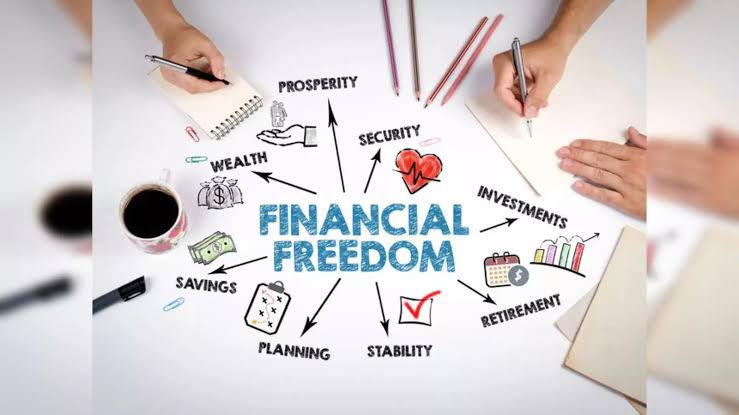
Financial peace of mind is not about lavish wealth; it is about building a buffer that grants you autonomy over your time and career choices.
Financial Health Rules of Thumb
- Automate Savings: Direct a portion of every paycheck into investments or high-yield savings accounts before budgeting for discretionary spending.
- Avoid Consumer Debt: Eliminate high-interest credit debt and avoid lifestyle inflation—where spending automatically rises to meet increasing income.
- Invest in Value: Spend money on experiences, health optimizations, education, and time-saving tools rather than status symbols.
The Habit Loop: Designing Sustainable Systems
Relying on willpower is a flawed long-term strategy because motivation fluctuates based on energy, stress, and sleep. Lasting behavioral change comes from designing environments that make positive habits natural and effortless.
Environmental Friction Mapping
- To Build a Good Habit: Reduce the friction required to start. (e.g., Lay out workout clothes the night before, keep healthy snacks visible on the counter).
- To Break a Bad Habit: Increase the friction required to execute it. (e.g., Store distracting devices in another room, logout of social media accounts after every session).
Habits, Time, and Continuous Growth
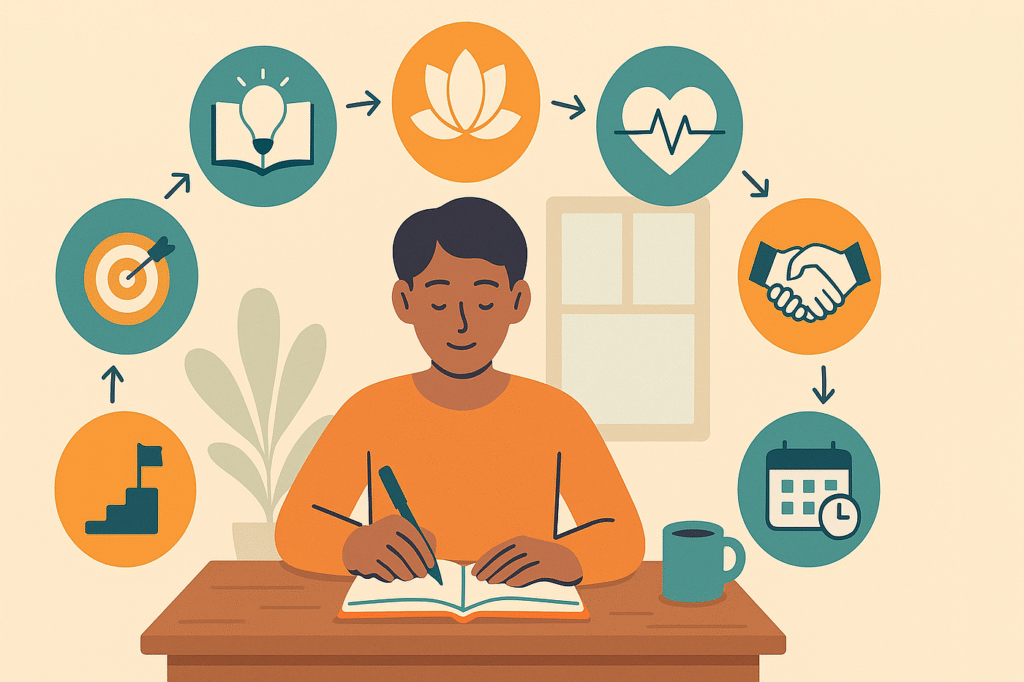
- Incremental Progress: Build long-term change by mastering one habit at a time. Consistency supersedes intensity.
- Single-Tasking: Plan daily priorities, set realistic bounds, and avoid multitasking to minimize fatigue and maximize efficiency.
- Lifelong Learning & Hobbies: Allocate time for non-work interests (creative arts, reading, skill development) to keep your mind engaged and lower stress.
- Social Connections: Invest in relationships built on clear communication, mutual respect, and shared experiences.
- Financial Stability: Maintain a budget, consistently save, and avoid unnecessary debt to reduce chronic stress.
- Aligned Action: Direct time and effort toward personal values rather than external expectations. Living with purpose stems from daily choices that reflect your priorities.
Purpose-Driven Living and Continuous Growth
A life built solely on comfort quickly becomes hollow. Humans require challenges, skill mastery, and a sense of contribution to thrive over the long term.

The Master Execution Blueprint: A 30-Day Reset
Transitioning to an intentional lifestyle does not happen overnight. Use this phased roadmap to build momentum systematically:
Living well is an ongoing practice of course correction. By honoring your physiology, guarding your focus, investing in deep relationships, and living with purpose, you create a life that feels grounded, resilient, and deeply rewarding every single day.
FAQ’S
1. What is a healthy lifestyle?
A healthy lifestyle includes balanced nutrition, regular exercise, quality sleep, and positive daily habits.
2. How can I improve my lifestyle?
Start by eating healthy, staying active, managing stress, and maintaining a consistent daily routine.
3. Why is a balanced lifestyle important?
A balanced lifestyle improves physical health, mental well-being, productivity, and overall happiness.
4. What are the key habits of a good lifestyle?
Regular exercise, healthy eating, proper sleep, hydration, and time management are essential lifestyle habits.
5. Can small lifestyle changes make a difference?
Yes, small daily improvements can lead to significant long-term benefits for your health and well-being.