

There is a distinct, unforgettable magic that happens the moment you leave your familiar daily Trip environment behind. It’s that subtle shift in the air when you step off a train into an unfamiliar station, the smell of roasted spices or sea salt floating through a vibrant market street, or the quiet awe of watching the sun rise over a silhouette of mountains you’ve only ever seen on a screen.
Travel is one of the most enriching experiences available to us. It stretches our perspectives, breaks us out of comfortable ruts, and reminds us of the vast, varied beauty of human culture and the natural world.
The truth is, the most memorable journeys aren’t the ones crammed with fifty sight-seeing stops; they are the ones approached with intentionality, space to breathe, and thoughtful preparation. Good planning doesn’t kill spontaneity—it protects it. When your logistical foundation is solid, your mind is free to absorb the atmosphere, connect with locals, and embrace the unexpected moments that make a trip unforgettable.
1. Choosing a Destination That Serves Your Soul

Before booking a single ticket, take a step back and ask yourself a simple, honest question: What do I actually need from this trip right now?
Too often, we choose destinations based on where everyone else seems to be going, rather than what aligns with our current physical and mental state.
- If you are burned out from a high-stress job: Pushing through a fast-paced, four-cities-in-seven-days European blitz will leave you drained. You might need a quiet coastal village, a cozy mountain cabin, or a single city where you can rent an apartment, sleep in, and read in neighborhood cafés.
- If you are seeking inspiration and energy: A bustling cultural capital rich with museums, street art, architectural landmarks, and vibrant food markets will fuel your curiosity.
- Consider the micro-seasons: Research the shoulder seasons (the weeks right before or after peak tourist months). Visiting a destination during shoulder season often rewards you with milder weather, significantly smaller crowds, lower prices, and a far more authentic glimpse of everyday local life.
2. Building a Budget That Protects Your Peace of Mind
Financial anxiety is the fastest way to ruin a trip. A well-constructed travel budget isn’t about pinching every penny; it’s about allocating your money toward what actually matters to you while preventing unpleasant surprises when your credit card bill arrives next month.The 15% Unexpected Cushion
However, in an era dominated by hyper-curated social media itineraries, chaotic airport rush hours, and the pressure to check off “must-see” tourist spots like a grocery list, travel can sometimes feel oddly exhausting. We end up needing a vacation from our vacation.
Always build a dedicated “cushion” into your overall budget. Taxis during sudden downpours, missed train connections, last-minute ticket entry fees, or an irresistible meal at a local bistro will happen. When you have a buffer set aside specifically for these moments, they stop feeling like stressful setbacks and simply become part of the journey.
3. The Art of the Anchor Itinerary

The single biggest mistake travelers make is scheduling every hour of every day. When your itinerary looks like a frantic corporate calendar, any minor delay or long line creates a domino effect of frustration.The “One Anchor per Day” Rule
To build an itinerary that breathes, adopt the One Anchor Rule:
- Pick ONE primary experience for the morning: A specific museum, a guided hike, a cooking class, or an architectural site.
- Leave the afternoon open: Allow yourself to wander without a rigid destination. Follow an interesting side street, sit in a public square, browse an independent bookstore, or spend two hours lingering over lunch.
- Keep evenings relaxed: Find a nice neighborhood spot for dinner or simply stroll through illuminated streets.
This rhythm provides structure where it counts, while leaving generous windows for spontaneous discoveries—which almost always become the highlights of your trip.
4. Packing Light: The Quiet Freedom of Moving Gracefully
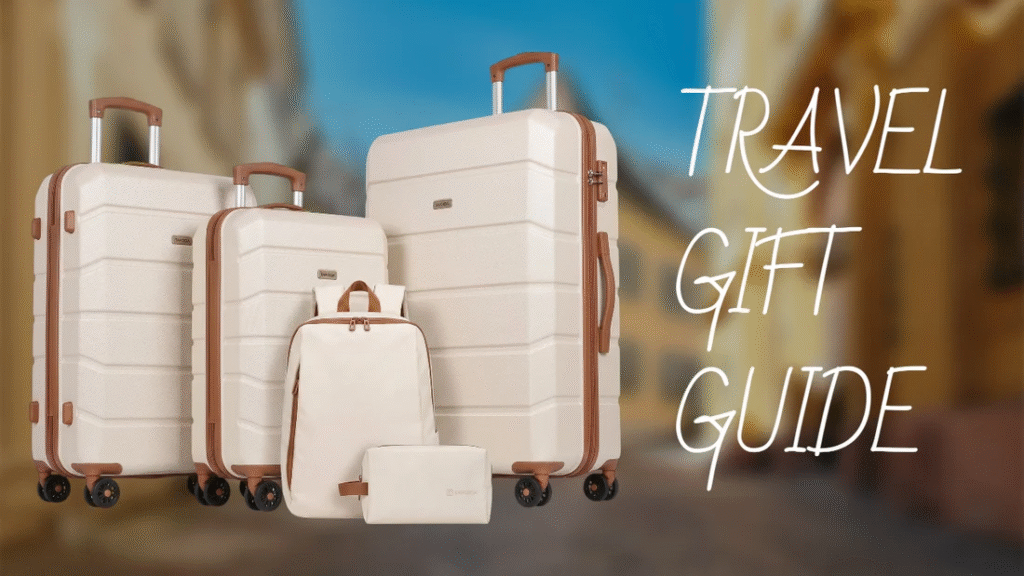
There is a direct correlation between how light your luggage is and how enjoyable your transit days become. Hauling giant, heavy suitcases over historic cobblestone streets, up narrow staircase-only guesthouses, or onto crowded commuter trains creates unnecessary physical strain.
The Capsule Closet Strategy
Pack clothes built around a single, harmonious color palette (e.g., navy, taupe, off-white, and olive). Every top should pair seamlessly with every bottom.
- Prioritize Your Feet: Never pack brand-new, unbroken-in shoes for a trip. You will likely walk double or triple your usual daily steps. Choose supportive, thoroughly tested footwear over pristine aesthetics every single time.
- Keep Essentials Organized: Pack your vital documents, daily medications, electronic chargers, and a fresh change of clothes in your carry-on bag, ensuring you stay comfortable even if checked luggage gets delayed.
5. Cultural Empathy: Moving Through the World as a Guest
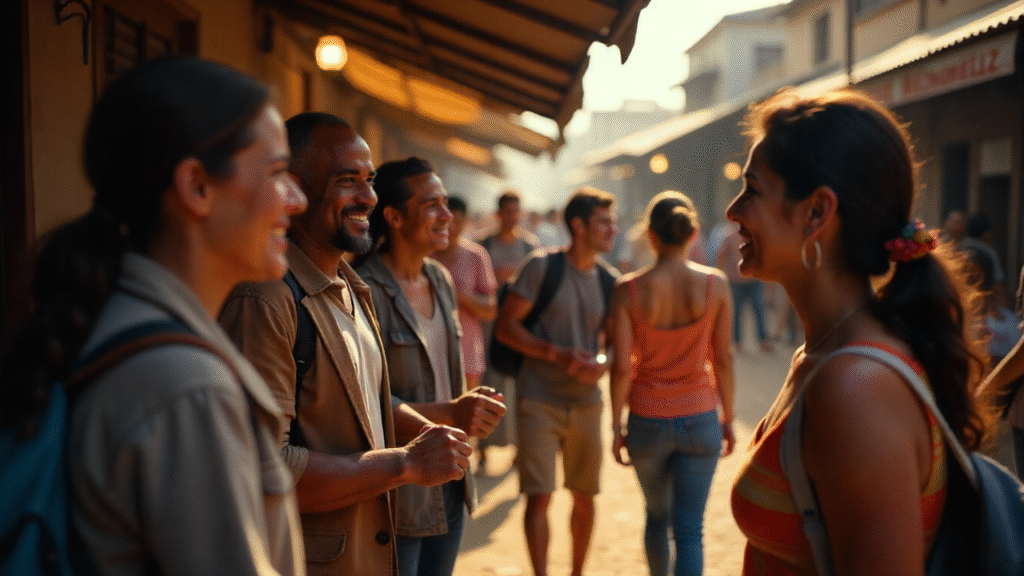
When we travel, we are stepping into someone else’s home, history, and daily living space. Approaching a new culture with humility, patience, and warmth opens doors that money cannot buy.
The Magic of Four Simple Phrases
You don’t need to be fluent in a language to make a genuine connection. Taking five minutes on your flight or train ride to memorize four basic words in the local language shows immediate respect:
- Hello
- Please
- Thank you
- Excuse me / Sorry
When you greet shopkeepers, servers, and bus drivers in their own language before switching to English, the tone of your interaction instantly shifts from transactional to warm and human.
6. Savoring the Local Table: Tasting a Culture’s Identity
Food is perhaps the most accessible, enjoyable way to understand a region’s geography, history, and family traditions. Eating like a local doesn’t mean you have to brave ultra-extreme street food; it simply means stepping away from international fast-food chains and tourist-trap plazas with picture menus in six languages.
Finding Authentic Food
- Look for High Turnover: Seek out places bustling with local families, office workers on lunch breaks, or long lines of residents. High turnover guarantees that ingredients are fresh and cooked to order.
- Explore Neighborhood Food Halls: Public markets are incredible windows into daily culture. You can sample local cheeses, cured meats, fresh pastries, seasonal fruits, and regional dishes alongside everyday shoppers.
7. Being Present: Putting Down the Lens to Experience the Moment

We live in a world where we often feel pressured to document everything we see to prove we were there. While taking photographs to preserve visual memories is wonderful, don’t let the camera lens become a physical barrier between you and your environment.
The “Camera-Down” Ritual
When you arrive at a breathtaking viewpoint, an ancient temple, or a beautiful city overlook, resist the immediate urge to pull out your phone.
Instead, set a timer for three full minutes. Stand still, drop your hands to your sides, and take in the scene using all your senses. Notice the temperature of the breeze, the ambient sounds of the city or forest, the subtle scent of the air, and the interplay of light and shadow.
Those unrecorded, deeply observed moments are the ones that store themselves permanently in your memory.
8. Sustainable Travel: Leaving Places Better Than You Found Them
As global travel continues to grow, our collective impact on vulnerable environments, historic infrastructure, and local residents matters immensely. Sustainable travel isn’t about being perfect; it’s about making conscious, thoughtful choices.
The Ultimate Gift of Travel
At the end of any trip, the souvenir t-shirts wear out, the flight stubs get discarded, and the tan slowly fades. But the internal shift stays with you forever.
Travel changes us by stretching our capacity for empathy, teaching us adaptability when things don’t go according to plan, and reminding us that despite our different languages, customs, and backgrounds, people everywhere share the same basic desire for warmth, connection, safety, and good food.
Pack thoughtfully, plan with generous room to breathe, step out the door with an open heart, and allow the world to surprise you.
FAQ’S
1. How can I plan the perfect trip?
Start by choosing your destination, setting a budget, booking transportation and accommodation early, and creating a flexible itinerary.
2. What should I pack for a vacation?
Pack essential travel documents, comfortable clothing, toiletries, chargers, medications, and weather-appropriate items.
3. How can I save money while traveling?
Book early, compare prices, travel during off-peak seasons, use public transportation, and choose budget-friendly accommodations.
4. Why is travel insurance important?
Travel insurance helps protect you against unexpected expenses such as trip cancellations, medical emergencies, and lost luggage.
5. What makes a trip more enjoyable?
Good planning, a flexible schedule, respecting local culture, trying local food, and staying open to new experiences all contribute to a memorable trip.