
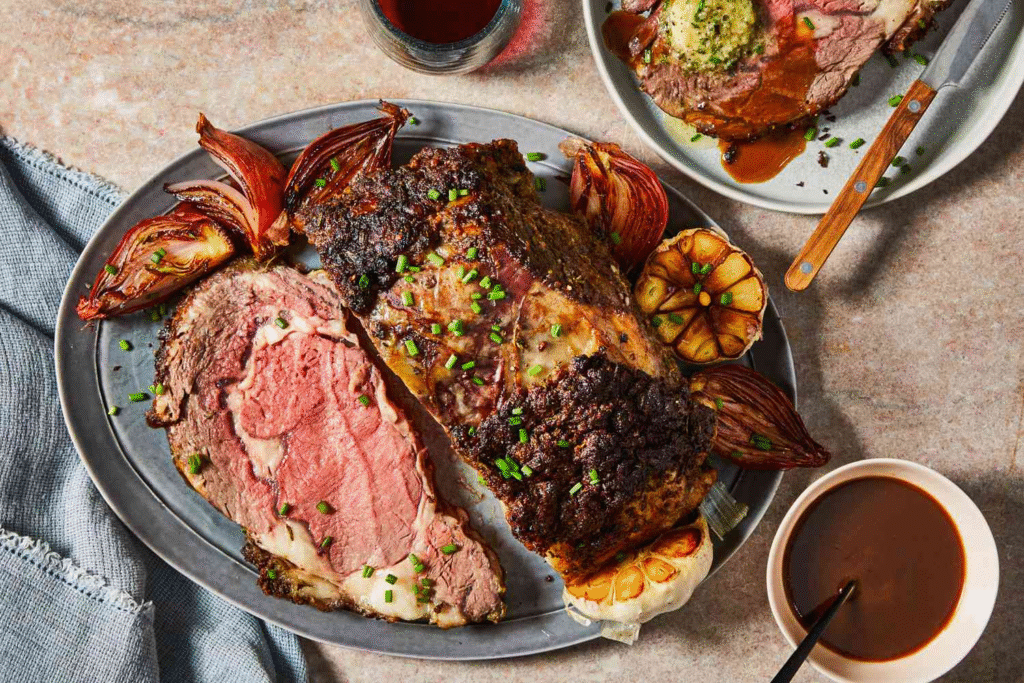
There is an inherent, unpretentious warmth to the way Western cooking occupies the domestic sphere. Long after formal dining etiquette has been stripped away, the core appeal of this culinary tradition remains its radical accessibility. It is a style of cooking born from hearth fires, rural farms, coastal fishing ports, and bustling urban bistros—designed not to intimidate, but to gather people together. From the slow-simmered ragù of Northern Italy to the sizzling griddles of American diners, Western food speaks a universal language of comfort, texture, and elemental flavor.
What makes this food so globally durable isn’t just its rich history, but its remarkable adaptability. A single technique—like roasting a chicken or searing a piece of fish—serves as a blank canvas upon which endless regional variations can be painted. It manages to balance the heavy, soul-warming indulgence of mid-winter bakes with the crisp, clean vitality of summer garden salads. Understanding Western cuisine isn’t about mastering esoteric techniques; it’s about discovering how a handful of humble, easily sourced ingredients can be transformed into deeply satisfying meals that feel like home, no matter where you happen to live.
The Chemistry of Popularity: Simplicity, Fat, and Acid
At first glance, Western recipes seem deceptively simple. A pinch of salt, a knob of butter, a clove of garlic, and a sprig of fresh rosemary can elevate a piece of meat or a pan of vegetables into something extraordinary. The secret lies in how these dishes leverage fundamental chemical reactions—specifically the Maillard reaction (the browning of amino acids and sugars under heat) and the precise balance between rich fats and bright acids.
Unlike culinary traditions that rely on complex, multi-layered spice pastes, Western food often highlights the intrinsic, unadorned flavor of the primary ingredient.
By understanding how to build a pan sauce using the crispy browned bits (fond) left at the bottom of a skillet, a home cook unlocks the foundational building block of Western gastronomy.
Iconic Western Pillars: From Everyday Dinners to Sunday Feasts
To understand the scope of Western cooking, it helps to examine its most celebrated culinary archetypes. These are the dishes that have crossed oceans and cultural boundaries to become universal standards.
The Infinite Versatility of Pasta
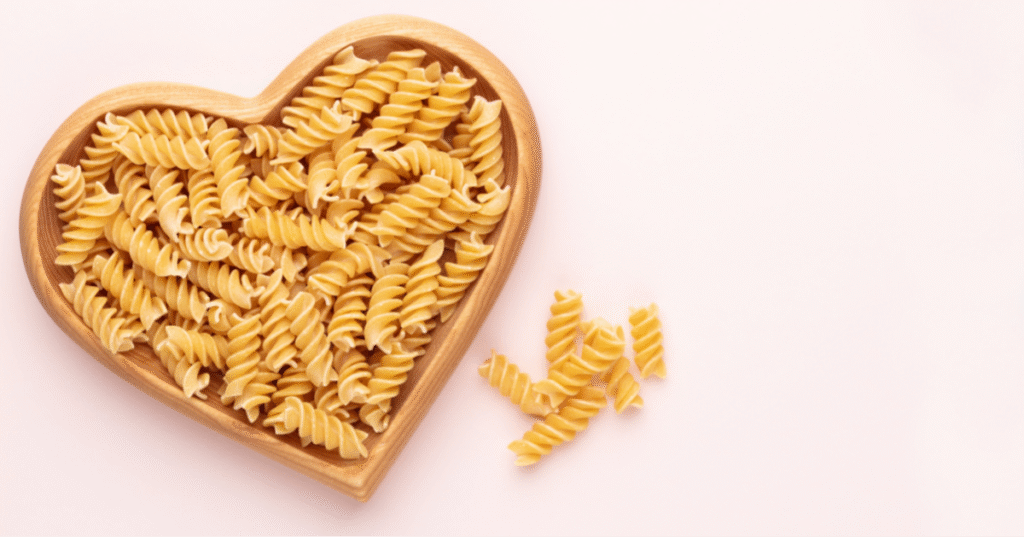
Pasta is arguably Western cuisine’s greatest gift to the modern busy kitchen. It acts as an edible canvas. A quick weeknight dinner can mean tossing freshly boiled spaghetti with good olive oil, minced garlic, cracked black pepper, and a handful of grated Parmesan. On a chilly weekend, that same pantry staple can transform into a deep, layered pasta bake bubbling under a thick blanket of molten mozzarella.
The Art of the Perfect Burger
The burger represents Western casual dining at its absolute peak. When executed correctly, it is a masterclass in texture: a deeply caramelized, savory patty, a soft, toasted brioche bun, the sharp crunch of pickles, and the melting richness of cheese. It proves that food doesn’t need to be expensive or complicated to be memorable.
The Psychology of Comfort Food: Nostalgia on a Plate
Western comfort food is designed to soothe. It appeals directly to our sense of safety and nostalgia through warm temperatures, soft textures, and rich, savory profiles (umami).
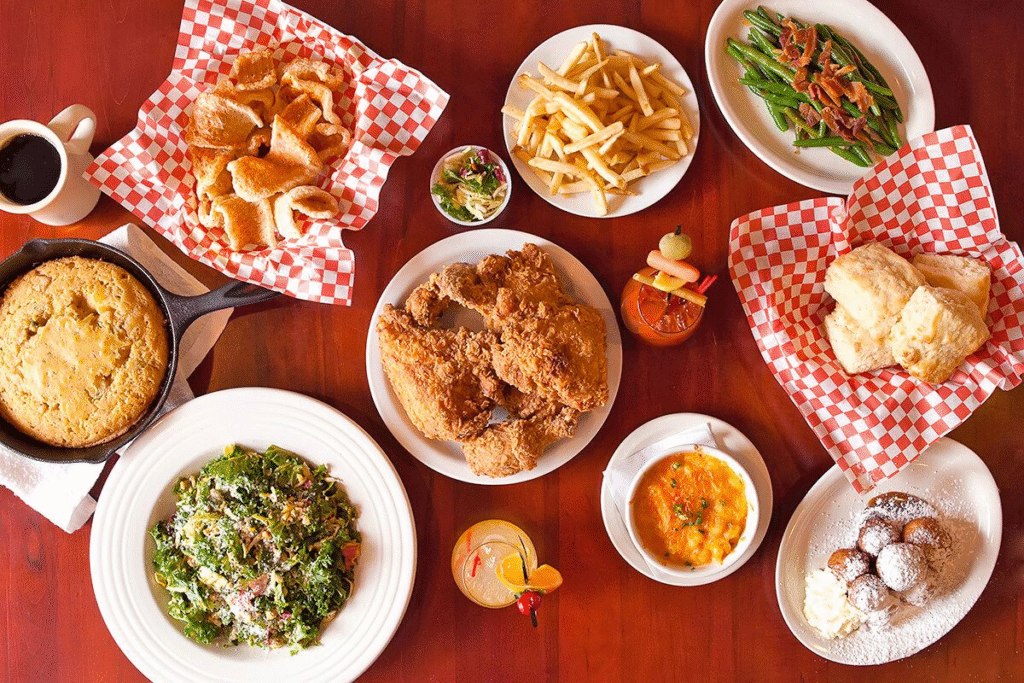
The Secret to Silky Macaroni & Cheese:
The difference between a grainy, separated cheese sauce and a silky, glossy one comes down to a French culinary basic: the Roux. By cooking equal parts flour and butter, then whisking in warm milk to create a smooth Béchamel, you build an emulsion that holds melted cheese perfectly without breaking into an oily mess.
Light & Modern: The Evolution Toward Healthy Western Cooking
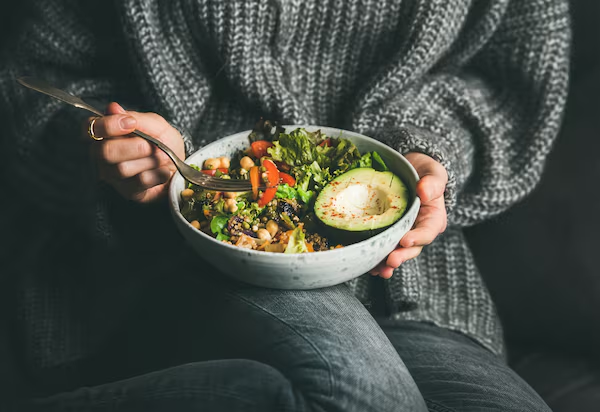
While traditional Western food carries a reputation for heavy creams and large cuts of meat, modern Western cooking has pivoted sharply toward fresh, vibrant, plant-forward eating. The contemporary Western table celebrates seasonality, minimal manipulation, and clean, bright flavors.
Transforming the Humble Salad
Gone are the days when a salad meant a few leaves of watery iceberg lettuce with a splash of bottled dressing. Modern Western salads are complete, satisfying meals engineered for textural contrast:
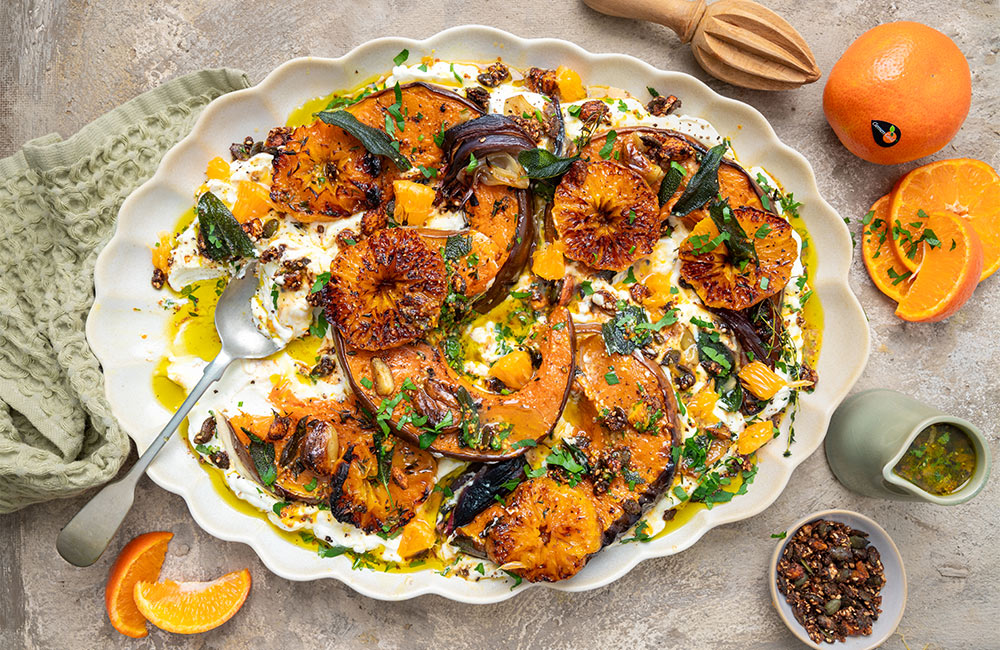
- The Crunch: Toasted pumpkin seeds, candied walnuts, or homemade garlic croutons.
- The Cream: Crumbled feta, soft goat cheese, or sliced avocado.
- The Sweetness: Sliced apples, dried cranberries, or roasted beets.
- The Dressing: A simple, homemade emulsified vinaigrette made from extra-virgin olive oil, Dijon mustard, fresh lemon juice, and a touch of honey.
Sheet-Pan Magic: Streamlined Cooking for Busy Days
When time is short, the sheet pan is the ultimate weapon in the Western kitchen arsenal. By taking advantage of high-heat oven roasting, you can cook a complete, nutritious meal on a single tray, cutting prep time and eliminating clean-up stress.
The Sheet-Pan Golden Rule: Don’t overcrowd the pan. If the ingredients are piled on top of each other, they will trap steam and become soggy. Spread them out in a single layer so the dry heat of the oven can brown and caramelize the edges.
Sweet Endings: The Art of Western Desserts
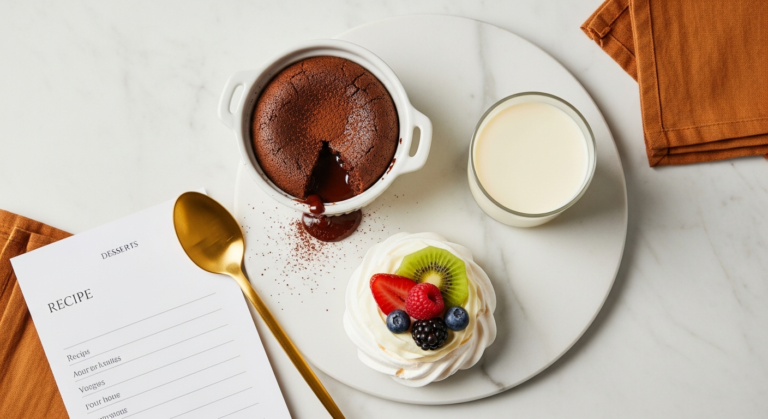
A Western meal feels incomplete without a sweet finish. Dessert in Western culture is more than just sugar—it is an art form rooted in baking science, temperature contrast, and rich textures.
The magic of these bakes comes from the interplay between flour, sugar, butter, and eggs. Mastering a simple, flaky pie crust or a classic chocolate chip cookie recipe gives any baker a foundation to build dozens of seasonal treats throughout the year.
The Western Pantry: Essential Building Blocks
You don’t need a kitchen packed with expensive gadgets to master Western cooking. You simply need a well-stocked pantry containing a few workhorse ingredients that can be combined in endless permutations.
Simple Steps to Cook with Confidence
- Control Your Heat: Don’t be afraid of medium-high heat when searing meats to get that golden crust, but drop it down to low when cooking garlic so it doesn’t turn bitter.
- Season in Layers: Add a pinch of salt at every stage of cooking—when softening onions, when searing meat, and right before serving—rather than dumping it all on at the end.
- Rest Your Meats: Always let roasted chicken or steak rest on a cutting board for 5 to 10 minutes after cooking. This allows the juices to redistribute throughout the meat instead of spilling out onto the board when you slice into it.

Western food is at its absolute best when it is relaxed, unpretentious, and shared freely. Whether you are boiling a simple pot of pasta on a late Tuesday night or roasting a festive dinner for friends on the weekend, cooking these classic recipes is a joyful, satisfying way to bring comfort and flavor to your table every single day.
FAQ’S
1. What is Western cuisine?
Western cuisine includes popular dishes from Europe and North America, such as pasta, burgers, steaks, and baked meals.
2. Are Western food recipes easy to make at home?
Yes, many Western recipes use simple ingredients and easy cooking methods, making them beginner-friendly.
3. What are some popular Western dishes?
Popular dishes include pizza, pasta, burgers, roast chicken, mashed potatoes, and Caesar salad.
4. Can Western food be healthy?
Absolutely. Grilled meats, fresh salads, baked fish, whole grains, and roasted vegetables are healthy Western meal options.
5. What ingredients are commonly used in Western recipes?
Common ingredients include chicken, beef, cheese, pasta, potatoes, bread, eggs, vegetables, herbs, butter, and olive oil.