
The internet has never evolved as quickly as it is today. What began as a simple network for sharing information has transformed into a powerful ecosystem driven by artificial intelligence, immersive experiences, decentralized technologies, and personalized digital interactions. As we move through 2026, several trends are reshaping how people connect, work, shop, learn, and entertain themselves online.
In this article, we’ll explore the most important internet trends of 2026 and what they mean for individuals, businesses, and the future of the digital world.

AI Becomes the Internet’s Operating System
Artificial intelligence is no longer just a tool—it’s becoming the foundation of the online experience. Search engines, social media platforms, customer support systems, and productivity applications are increasingly powered by AI.
Users now expect:
- Instant answers instead of traditional search results.
- AI-generated summaries of complex information.
- Personalized recommendations tailored to their interests.
- Virtual assistants capable of completing tasks autonomously.
Businesses are integrating AI into websites, apps, and marketing strategies to improve efficiency and deliver more relevant experiences.


What This Means
Companies that fail to adopt AI-driven solutions risk falling behind competitors that offer faster, smarter, and more personalized services.
Search Is Shifting from Keywords to Conversations

The traditional search engine model is evolving rapidly. Instead of typing short keyword phrases, users are asking detailed questions in natural language.
For example:
Old Search: “best laptops 2026”
New Search: “What’s the best laptop for a graphic designer who travels frequently and has a budget of $1,500?”
AI-powered search systems provide direct answers, reducing the need to browse multiple websites.
What This Means
Content creators and businesses must focus on answering user questions comprehensively rather than simply optimizing for keywords.
Video Continues to Dominate Online Content

Short-form videos remain one of the most effective ways to capture attention. Platforms are prioritizing engaging visual content, and consumers increasingly prefer watching over reading.
Popular video formats include:
- Educational explainers
- Product reviews
- Behind-the-scenes content
- Live streams
- AI-generated videos
What This Means
Brands and creators should invest in video marketing to stay relevant and reach wider audiences.
The Rise of AI-Generated Content

Artificial Intelligence (AI) has become one of the most transformative technologies of the modern era, and nowhere is its impact more visible than in content creation. From blog posts and social media captions to videos, images, music, and even software code, AI-generated content is revolutionizing how businesses, creators, and consumers interact with digital media.
AI-generated content refers to text, images, videos, audio, or other digital assets created using artificial intelligence algorithms.
AI tools can now create articles, graphics, videos, music, and code within minutes. This has dramatically increased content production across industries.
However, users are becoming more selective. Authenticity and expertise matter more than ever.
What This Means
The winning strategy is combining AI efficiency with human creativity, insight, and credibility.
Privacy and Data Ownership Take Center Stage
As consumers become more aware of how their data is collected and used, privacy concerns continue to grow.
Key developments include:
- Increased transparency requirements.
- Stronger data protection regulations.
- Privacy-focused browsers and search engines.
- Greater demand for secure online services.
What This Means
Organizations that prioritize user trust and data security will build stronger long-term relationships with customers.
Social Commerce Becomes Mainstream
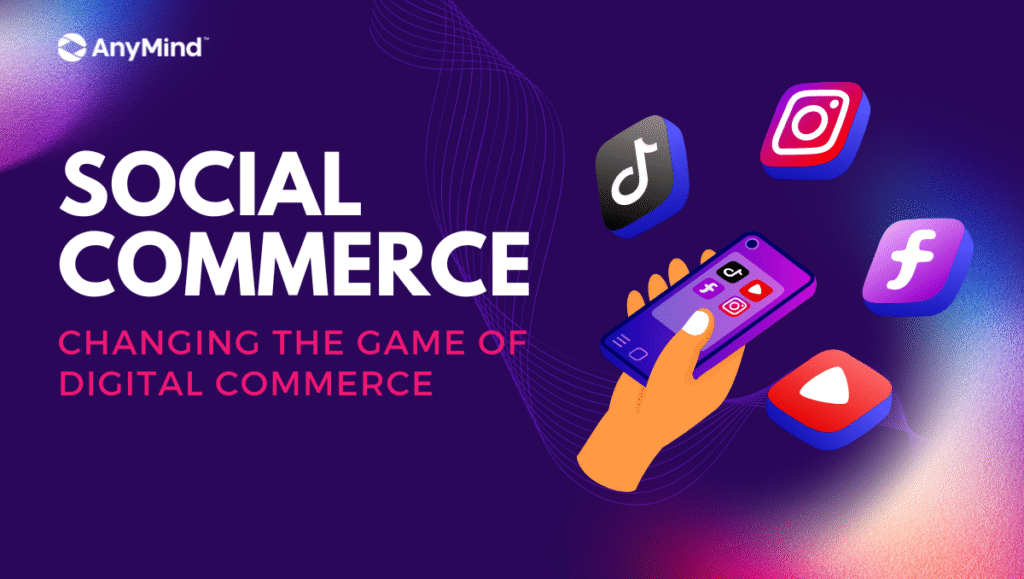
Social media is no longer just about communication and entertainment. It has become a major shopping destination.
Users can:
- Discover products through creators.
- Purchase directly within social platforms.
- Watch live shopping events.
- Receive personalized product recommendations.
What This Means
Businesses need seamless shopping experiences integrated into social channels to maximize sales opportunities.
Digital Communities Gain More Influence
People are increasingly moving away from large public platforms and toward niche communities centered around shared interests.
Examples include:
- Professional groups
- Hobby-based forums
- Private creator communities
- Membership-based platforms
These communities often have higher engagement and stronger trust among members.
What This Means
Brands should focus on building genuine communities rather than simply chasing follower counts.
Cybersecurity Is More Important Than Ever

As digital dependence increases, cyber threats continue to evolve.
Organizations are investing heavily in:
- Multi-factor authentication
- Advanced threat detection
- Zero-trust security models
- Employee cybersecurity training
Individuals are also becoming more proactive about protecting personal information online.
What This Means
Cybersecurity is no longer optional—it’s a core requirement for operating in the digital world.
The Creator Economy Continues to Expand



Creators are building businesses around their expertise, creativity, and personal brands.
Revenue streams now include:
- Sponsorships
- Membership programs
- Digital products
- Online courses
- Affiliate marketing
- Subscription communities
The barriers to becoming a creator have never been lower.
What This Means
Individuals can build sustainable online businesses without relying solely on traditional employment models.
Hyper-Personalization Defines User Experience
Consumers increasingly expect personalized digital experiences.
AI analyzes behavior, preferences, and interactions to provide:
- Customized content feeds
- Personalized shopping recommendations
- Tailored learning experiences
- Dynamic website experiences
What This Means
Generic marketing is becoming less effective. Businesses must deliver relevant experiences at every stage of the customer journey.
Looking Ahead
The internet of 2026 is smarter, faster, more personalized, and increasingly powered by artificial intelligence. While technology continues to create exciting opportunities, it also raises important questions about privacy, authenticity, and digital responsibility.
The organizations and individuals that succeed in this new landscape will be those who embrace innovation while maintaining trust, transparency, and a genuine focus on user needs.
Frequently Asked Questions (FAQs)
1. What is the biggest internet trend in 2026?
Artificial Intelligence (AI) is widely considered the biggest internet trend in 2026. AI is transforming search engines, content creation, customer service, online shopping, and productivity tools, making digital experiences faster and more personalized than ever before.
2. How is AI changing the way people use the internet?
AI is helping users find information through conversational search, automate routine tasks, generate content, receive personalized recommendations, and interact with virtual assistants. Instead of browsing multiple websites, users can often get direct answers and solutions instantly.
3. Why is video content becoming more important online?
Video content is highly engaging, easy to consume, and favored by most social media algorithms. Short-form videos, live streams, tutorials, and product demonstrations help businesses and creators connect with audiences more effectively than traditional text-based content.
4. What role does privacy play in the future of the internet?
Privacy is becoming a major concern as users demand greater control over their personal data. Businesses are adopting stronger security measures, transparent data policies, and privacy-focused technologies to build trust and comply with evolving regulations.
5. How can businesses prepare for internet trends in 2026?
Businesses can stay competitive by adopting AI-powered tools, creating high-quality video content, optimizing for conversational search, strengthening cybersecurity, building online communities, and delivering personalized customer experiences. Companies that embrace innovation while maintaining user trust will be better positioned for long-term success.