
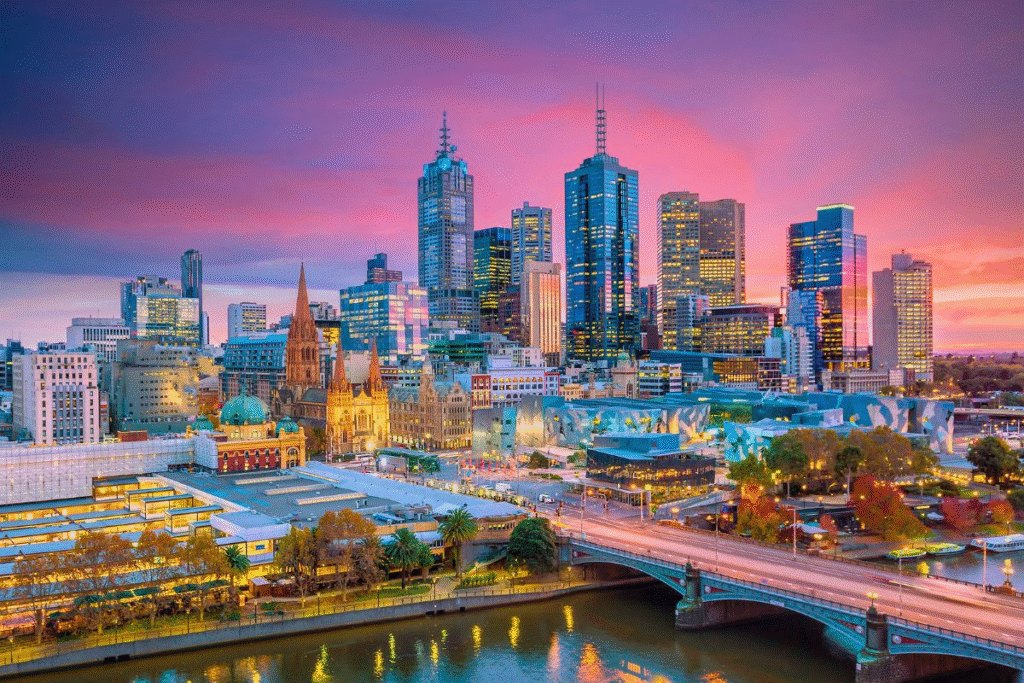
Australia: The Ultimate Continent-Country Australia Travel is vast, untamed, and startlingly diverse. Stretching across nearly 3 million square miles, it defies easy categorization. You can wake up to the rhythmic hum of a global metropolis, spend the afternoon trailing through temperate rainforests, and fall asleep under a canopy of desert stars.
The primary challenge of traveling to Australia isn’t finding something to do; it’s grappling with scale. The distance between Sydney and Perth, for example, is comparable to the journey from London to Cairo or New York to Los Angeles. Trying to conquer the entire continent in a single two-week itinerary is a recipe for burn-out.
To experience Australia at its best, adopt a regional focus. By picking a few core hubs that speak to your travel style—whether that means diving tropical reefs, sampling cold-climate pinot noir, or immersing yourself in ancient First Nations history—you’ll trade endless hours in transit for rich, unhurried exploration.
Key Destinations & Regional Breakdown
1. Sydney (New South Wales): Harbour Majesty and Coastal Culture
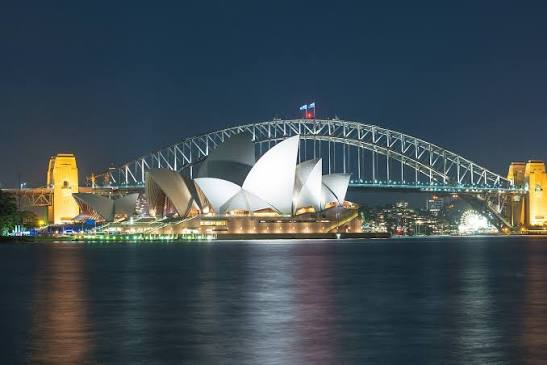
Sydney is a dramatic gateway to the continent. Built around the drowned river valley of Port Jackson, the city’s lifeblood is its water.
- The Icons: Beyond taking in the architectural sails of the Sydney Opera House or traversing the Sydney Harbour Bridge, explore the historic cobblestone quarters of The Rocks, where Australia’s modern colonial history began.
- Coastal Living: Take the famous 6-kilometer Bondi to Coogee Coastal Walk, carving through sweeping sandstone cliffs, natural rock pools, and popular surf breaks. For a classic Sydney experience, hop on the public ferry from Circular Quay out to Manly, gliding past headlands and hidden coves.
- Nature Escape: Just two hours west by train lie the Blue Mountains National Park. Here, dense eucalyptus forests release volatile oils into the air, refracting light into a perpetual blue haze over deep canyons, cascading waterfalls, and the famous Three Sisters rock formation.
                    SYDNEY HARBOUR & COASTAL HIGHLIGHTS
                                     │
      ┌──────────────────────────────┼──────────────────────────────┐
      ▼                              ▼                              ▼
[OPERAHOUSE & ROCKS]        [BONDI TO COOGEE WALK]          [MANLY FERRY]
Urban History & Design      Clifftop Views & Surfing        Harbour Vistas & Cove Beaches
2. Melbourne (Victoria): Culture, Coffee, and Coastal Drives
If Sydney commands attention with its natural geography, Melbourne earns its reputation through design, culture, and lifestyle.
- Laneway Exploration: The heart of Melbourne is a grid intersected by Victorian-era arcades and narrow laneways like Degraves Street and Hosier Lane. Expect high-end espresso bars, micro-roasteries, open-air street art galleries, and hidden speakeasies accessed through unmarked doors.
- Arts & Sport: Visit the National Gallery of Victoria (NGV) or catch an Australian Rules Football (AFL) match at the iconic Melbourne Cricket Ground (MCG) to witness the city’s sporting passion firsthand.
- The Great Ocean Road: Extending southwest from Melbourne, this 243-kilometer stretch of heritage-listed road is one of the world’s great coastal drives. Route highlights include the limestone stacks of the Twelve Apostles, wild koalas in the eucalyptus canopies of Kennett River, and temperate rainforest walks in Great Otway National Park.
3. Tropical North Queensland: Reefs and Ancient Rainforests
In the far north, two UNESCO World Heritage sites sit side by side: the Great Barrier Reef and the Daintree Rainforest.
┌─────────────────────────────────────────────────────────────────────────────┐
│                    TROPICAL NORTH QUEENSLAND DUALITY                        │
├──────────────────────────────────────┬──────────────────────────────────────┤
│ THE GREAT BARRIER REEF               │ THE DAINTREE RAINFOREST              │
├──────────────────────────────────────┼──────────────────────────────────────┤
│ • World's largest coral system       │ • Oldest continuously surviving      │
│ • Outer reef diving & snorkeling     │   tropical rainforest on Earth       │
│ • Key Hubs: Port Douglas, Cairns     │ • Cape Tribulation (Reef meets Reef) │
│ • Marine Life: Turtles, rays, corals │ • Ancient flora, cassowaries, rivers │
└──────────────────────────────────────┴──────────────────────────────────────┘
- The Outer Reef: Skip the crowded inner islands and book a day-trip high-speed catamaran or liveaboard out to the Agincourt or Opal Reefs. Clearer waters offer vibrant coral gardens, sea turtles, reef sharks, and diverse marine life.
- The Daintree: Estimated to be over 135 million years old, the Daintree Rainforest is a living evolutionary museum. Base yourself in Port Douglas or cross the Daintree River via cable ferry to reach Cape Tribulation, the unique spot where dense rainforest canopy drops straight down to meet the coral reef.
4. The Red Centre (Northern Territory): Heartbeat of the Outback
The Australian Outback is a deep cultural landscape carrying tens of thousands of years of Indigenous history and connection to country.
- Uluru-Kata Tjuta National Park: Rising 348 meters above the desert floor, Uluru is a sacred living landscape for the local Anangu traditional owners. Walking the 10-kilometer base trail reveals ancient rock art, waterholes, and subtle textures carved by wind and rain over millions of years. Nearby, the 36 weathered conglomerate domes of Kata Tjuta (The Olgas) offer dramatic gorge hikes like the Valley of the Winds.
- Kings Canyon: Located midway between Uluru and Alice Springs, the rim walk of Watarrka (Kings Canyon) treats hikers to 100-meter-high sandstone walls, hidden palm-filled oases, and ancient fossilized sea beds.
5. Tasmania: Rugged Wilderness and Artisanal Food

Separated from the mainland by the Bass Strait, Tasmania feels like a distinct world. Over 40% of the island is protected in national parks and World Heritage reserves.
- Hobart & MONA: The state capital, Hobart, balances historic Georgian sandstone architecture at Salamanca Place with cutting-edge art at the Museum of Old and New Art (MONA)—a provocative, subterranean museum built into a cliffside along the Derwent River.
- Wilderness Trekking: Hike beneath the jagged dolerite peaks of Cradle Mountain down to pristine Dove Lake, or trek along the pink granite mountains and turquoise waters of Freycinet National Park to view Wineglass Bay.
Planning Considerations & Seasonal Timing
Australia’s weather patterns are split between temperate southern zones and tropical northern zones. Choosing when to visit depends heavily on where you plan to spend your time.
┌─────────────────────────────────────────────────────────────────────────────┐
│                       SEASONAL TRAVEL WINDOWS                               │
├───────────────────┬───────────────────────────┬─────────────────────────────┤
│ TIME OF YEAR      │ SOUTHERN REGIONS          │ NORTHERN & OUTBACK          │
│                   │ (Sydney, Melbourne, Tas)  │ (Cairns, Kakadu, Uluru)     │
├───────────────────┼───────────────────────────┼─────────────────────────────┤
│ Dec – Feb         │ Peak Summer               │ Tropical Wet Season         │
│ (Southern Summer) │ Hot, sunny beach weather. │ Heavy rain, high humidity,  │
│                   │ Great for coastal stays.  │ marine stinger season.      │
├───────────────────┼───────────────────────────┼─────────────────────────────┤
│ Jun – Aug         │ Cool Winter               │ Tropical Dry Season         │
│ (Southern Winter) │ Crisp days, rain, snow in │ Warm, clear, low humidity.  │
│                   │ southern alpine areas.    │ Ideal time for Outback/Reef.│
├───────────────────┼───────────────────────────┼─────────────────────────────┤
│ Mar–May / Sep–Nov │ Shoulder Seasons          │ Transition Months           │
│ (Spring / Autumn) │ Mild temperatures, smaller│ Variable conditions, fine   │
│                   │ crowds, ideal for hiking. │ for regional travel.        │
└───────────────────┴───────────────────────────┴─────────────────────────────┘
Understanding the Seasons:
- The Tropical North (Cairns, Broome, Darwin): Experiences two primary seasons: The Dry (May to October) and The Wet (November to April). The Dry season brings warm, clear days and low humidity—ideal for swimming and touring. The Wet season brings heavy monsoonal rain, lush waterfall blooms, and high humidity, along with marine stinger season (box jellyfish), which restricts un-patrolled beach swimming.
- The Red Centre (Uluru): Experiences extreme temperature shifts. Desert summers (December to February) can exceed 40°C (104°F), making daytime hiking hazardous. Winter (June to August) brings pleasant, clear daytime temperatures (20°C/68°F), but night temperatures often drop below freezing.
- The Temperate South (Sydney, Melbourne, Adelaide, Perth, Tasmania): Follows traditional four-season cycles. December to February is peak summer—ideal for beaches and outdoor festivals. June to August brings cooler weather, perfect for exploring city art galleries, food scenes, and southern winemaking regions.
Key Logistics & Practical Advice

- Visas: Almost all foreign passport holders (excluding Australian and New Zealand citizens) require a visa or an Electronic Travel Authority (ETA) before boarding a flight to Australia. Apply online several weeks before departure.
- Distances & Domestic Flights: If traveling between different states, internal flights are often necessary to maximize holiday time. Major domestic carriers (Qantas, Virgin Australia, Jetstar) connect all state capitals and regional hubs daily.
- Sun Protection & Safety: Due to a thin ozone layer over the region, the UV index in Australia is extremely high year-round. Even on overcast days, apply broad-spectrum SPF 50+ sunscreen, wear a wide-brimmed hat, and carry plenty of water when outdoors.
- Respecting Country: When visiting cultural sites, especially in the Outback and Northern Territory, observe local cultural requests and signage. Many land management areas are protected under joint management with Traditional Owners, offering guided tours that provide invaluable insight into the world’s oldest continuous living culture.
FAQ’S
1. What are the best places to visit in Australia?
Sydney, Melbourne, the Great Barrier Reef, Gold Coast, Tasmania, Uluru, Perth, and the Blue Mountains are among the most popular destinations.
2. What is the best time to travel to Australia?
The best time depends on the region and activities you have planned. Australia has different climates across the country, so check the seasonal weather for your destinations.
3. How many days are enough for an Australia trip?
A trip of at least 10–14 days is useful for exploring a few major destinations without rushing, although longer trips allow you to see more.
4. What are the best Australia holiday ideas for families?
Families can enjoy beaches, wildlife experiences, theme parks, Sydney attractions, the Great Barrier Reef, and easy nature activities.
5. Is Australia good for a road trip?
Yes. Australia has many scenic road-trip routes, including the Great Ocean Road, Tasmania, and coastal Queensland. Always plan carefully because distances can be very long.