

Family travel is far more than a temporary pause in routine Family Trip or a sequence of photographic check-ins at notable landmarks. It is an active, immersive investment in the emotional infrastructure of a household—a living laboratory where relationships are recalibrated, resilience is tested, and empathy is cultivated. When we remove our families from the familiar, predictable environments of work schedules, school bells, domestic chores, and endless screen notifications, we alter the fundamental dynamics of how we interact with one another.
For children, an unfamiliar environment presents an exhilarating neurological spark. A wave breaking over a rocky tide pool, the strange, complex scent of a spice market, or the echoing hum of an ancient railway station are not merely sensory events; they are foundational building blocks of cognitive development and cultural literacy. For parents, these shared journeys offer something equally profound: a rare, unhurried view of their children transforming in real time, navigating novelty, assessing risk, and expanding their understanding of humanity.
Yet, any parent who has attempted to navigate a delayed flight with an overtired toddler or manage a sullen teenager in an art gallery knows that family travel is also an exercise in high-stakes logistics. It demands a delicate balance between structure and spontaneity, anticipation and adaptability. The goal of modern family travel is not to execute a flawless, rigid itinerary, but to design a resilient, flexible environment where genuine connection can thrive amid the unpredictability of the open road.
Destination Strategy: Aligning Geography with Human Needs

The most common structural mistake in family travel begins long before the bags are packed: selecting a destination based on adult aesthetic prestige or algorithmic social media popularity rather than the developmental realities of the travelers. A dense, high-friction urban environment packed with long lines and silent museums may fulfill an adult’s cultural wishlist, but it can quickly overwhelm a young child’s sensory processing limits, leading to inevitable exhaustion and friction.
Strategic Destination Criteria
When evaluating potential destinations, analyze geography through three primary structural lenses:
- Transit Friction Index: Calculate the total number of transitions required between leaving home and arriving at your lodging. A direct flight followed by a 30-minute train ride presents significantly lower friction than two connecting flights, a rental car pickup, and a three-hour mountain drive—even if the total travel time appears similar on paper.
- Spatial Autonomy: Look for environments where children can move safely without constant physical restraint. Destinations featuring pedestrianized town centers, expansive coastal zones, or national parks with low-impact trails allow young travelers to burn off physical energy while adults relax their hyper-vigilant supervision.
- Predictable Infrastructure: Ensure the destination offers easy access to clean water, reliable emergency medical services, familiar basic foodstuffs, and climate-controlled resting spaces. Knowing that a comfortable, low-stress retreat is readily available builds a safety net that encourages bolder exploration during the day.
Participatory Design: Involving Children in Itinerary Architecture
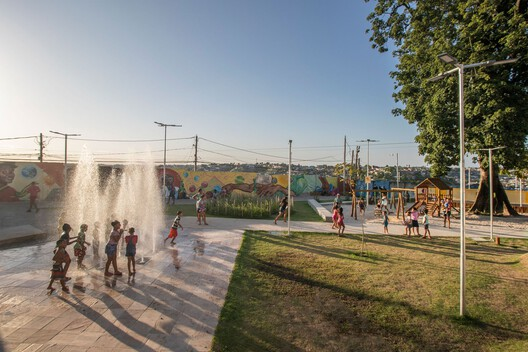
Children are far more resilient, cooperative, and engaged travelers when they are treated as active co-designers of an expedition rather than passive cargo being moved from point A to point B.
When parents unilaterally dictate every element of a trip, children often express their lack of agency through resistance, boredom, or behavioral outbursts.
Treat your accommodation as a domestic sanctuary rather than just a place to sleep. Establish familiar routines within the new space immediately upon arrival:
Implementing Participatory Planning
- Pre-Trip Cultural Immersion: Six weeks before departure, introduce the destination into household routines. Read age-appropriate mythology, historical fiction, or regional folk tales together. Cook meals inspired by the local cuisine, and watch documentaries that highlight the region’s geography or native wildlife.
- The “One Major Choice” Protocol: Assign each family member—regardless of age—responsibility for selecting one primary activity or attraction for the trip. If your eight-year-old chooses a obscure local transport museum or a specific gelateria, that selection is treated with the exact same itinerary respect as an adult’s museum or historic site.
- Navigational Ownership: On the ground, delegate physical navigational tasks to older children and teenagers. Give them paper maps or offline digital maps and appoint them as the official “Expedition Navigators” responsible for guiding the family from the train station to the hotel or through a complex historic market.
The Ergonomics of Transit Managing Energy, Meltdowns, and Motion
The physical journey itself is frequently the most stressful phase of any trip. The combination of early mornings, security checkpoints, confined seating, fluctuating cabin pressures, and altered meal schedules creates a perfect storm for emotional dysregulation in both adults and children.

Advanced Transit Strategies
- Circadian Rhythm Alignment: When booking long-distance air or rail travel, prioritize schedules that align naturally with sleep patterns. Overnight flights or train routes can work brilliantly if your children can sleep in moving environments; otherwise, opt for early morning departures when baseline emotional reserves are highest.
- The Protein-to-Carbohydrate Ratio: Carbohydrate-heavy, sugar-laden travel snacks induce rapid blood glucose spikes followed by sharp, unpredictable emotional crashes. Pack portable, protein- and healthy-fat-dense travel foods—such as nut butter packets, aged cheeses, hard-boiled eggs, roasted chickpeas, and unsweetened dried fruit—to maintain steady, prolonged energy levels.
- Tactile Sensory Kits: Prepare a dedicated, easily accessible “comfort pouch” for each child containing items that engage their tactile, auditory, and visual senses. Include non-messy modeling clay, noise-canceling headphones with pre-downloaded audiobooks or soothing music, compact drawing materials, and familiar security objects. Reserve these items exclusively for transit times to maximize their novelty and engagement value.
Packing Systems: Minimalism, Organization, and Spatial Efficiency
Overpacking is one of the quickest ways to introduce friction and physical fatigue into a family journey. Dragging oversized, heavy luggage through cobblestone streets, crowded subway stations, and up narrow hotel stairwells drains physical energy and taxes patience. The golden rule of family packing is simple: pack for the best-case logistical scenario, not the worst-case psychological anxiety.
Execution Rules for Streamlined Luggage
- The Uniform Color Palette: Restrict each family member’s travel wardrobe to 3 matching colors (e.g., navy, grey, and white). This ensures that every top pairs seamlessly with every bottom, doubling the potential outfit combinations while cutting the physical volume of clothes in half.
- The Laundry Protocol: Assume you will do laundry every 4 to 5 days, regardless of the total length of your trip. Book accommodations with built-in laundry facilities or locate a local drop-off service near your hotel. This single operational rule allows a family to travel indefinitely with only carry-on-sized luggage.
- The “One Bag, One Person” Boundary: Every family member capable of walking unassisted should carry or roll their own small bag containing their personal entertainment, daily water bottle, and light jacket. This instills personal accountability and distributes the physical load evenly across the family group.
Lodging Architecture: Designing the Domestic Basecamp
Your choice of accommodation sets the tone for every morning and evening of your trip. While a standard hotel room may suffice for a solo traveler or a couple, a family requires functional spatial separation, predictable eating infrastructure, and a comfortable retreat where everyone can decompress after a long day of exploration.

The “Basecamp Effect”
- Define Zones: Designate specific areas for dirty laundry, charging electronics, storing daily daypacks, and playing quietly. This prevents the chaotic visual clutter that quickly accumulates in small, shared spaces.
- The Breakfast Buffer: Prepare simple, familiar breakfast items (fresh fruit, yogurt, bread, eggs) in your rental or hotel room before stepping out for the day. Attempting to navigate a busy restaurant with hungry, un-caffeinated adults and low-blood-sugar children first thing in the morning is a recipe for unnecessary friction.
The Rhythm of the Itinerary: Balancing Ambition with Rest
The most destructive trap in family travel is the “checklist itinerary”—a relentless, high-density schedule designed to see every famous landmark in a city regardless of physical or emotional cost. This approach transforms a holiday into an exhausting marathon, breeding fatigue, resentment, and emotional meltdowns.
Rules of Itinerary Design
The most destructive trap in family travel is the “checklist itinerary”—a relentless, high-density schedule designed to see every famous landmark in a city regardless of physical or emotional cost. This approach transforms a holiday into an exhausting marathon, breeding fatigue, resentment, and emotional meltdowns.
The Golden “One Anchor” Rule: Schedule one non-negotiable cultural or historical anchor activity per day during the morning hours when collective focus and physical energy are highest. Leave the afternoon entirely unscripted for spontaneous discoveries, park visits, casual neighborhood walks, or quiet rest at your accommodation.
- Buffer Time Multipliers: Estimate how long an activity should take, then multiply that time by 1.5. If a walk to a bakery takes 10 minutes for a solo adult, budget 15 to 20 minutes for a family. This built-in buffer transforms unexpected detours—stopping to watch a street performer, looking at a neighborhood cat, or tying a shoe—from stressful delays into pleasant moments of connection.
- The Midday Retreat: In hot climates or high-density urban environments, retreat to your accommodation or a quiet park during the peak heat and crowd hours of 1:00 PM to 3:30 PM. A brief nap, a quiet hour reading, or a simple shower recharges everyone’s emotional bandwidth for an enjoyable evening.
Deepening Cultural Immersion: Transforming Sightseers into Explorers
True travel literacy is developed not by passively consuming famous landmarks, but by actively engaging with the daily life, culture, and rhythms of a new community. Children are naturally observant and curious; they often bypass grand historical narratives to notice how local people live, eat, commute, and interact.
Practical Immersion Tactics
- The Local Supermarket Expedition: Make a visit to a neighbourhood grocery store or morning food market one of your first stops in a new country. Grocery stores offer an immediate, fascinating window into a culture’s daily life, dietary priorities, packaging design, and agricultural rhythms. Challenge your children to find three unfamiliar fruits, vegetable varieties, or local snacks to try back at your accommodation.
- The “Linguistic Toolkit”: Before arriving at a new destination, learn five essential phrases together as a family: Hello, Please, Thank You, Goodbye, and Delicious! Encourage your children to use these phrases directly when ordering food, paying for items, or interacting with hotel staff. The warm local response they receive will boost their confidence and break down cultural barriers instantly.
- Micro-Volunteering & Community Events: Seek out low-impact, local community activities such as beach cleanups, park restoration days, or regional neighborhood festivals. Participating alongside local residents fosters an authentic sense of global citizenship and shared responsibility.
Safety, Risk Management, and Psychological Calm
Fear for child safety can cause parents to become hyper-vigilant, turning an enjoyable trip into a stressful experience.
The secret to maintaining psychological calm is replacing vague, ambient anxiety with clear, actionable safety protocols that the whole family understands and practices.
Essential Safety Protocols
- The Morning Reference Photo: Every morning before leaving your accommodation, take a quick photo of your children on your smartphone. If a child becomes separated in a crowded market or transportation hub, you have an exact, recent image showing their current clothing, hairstyle, and appearance to share with local security or law enforcement.
- The “Freeze and Find an Official” Rule: Teach children that if they realize they are separated from the family, they must stop moving immediately. Wandering around trying to find parents makes location significantly harder. Teach them to look for a family with children, a uniformed official, or a shop employee to ask for help.
- Emergency Contact Tags: For younger children who may forget or struggle to speak a phone number under stress, place a comfortable, waterproof wristband on them—or insert an emergency card into their pocket—containing your phone number with international dial codes, hotel address, and any critical medical or allergy information.
Preserving Meaning Capturing Memories Beyond the Lens
In our hyper-digitized visual culture, it is easy for a vacation to turn into a relentless series of posed photos for social media. When children are constantly asked to “stop, look here, and smile,” they are pulled out of the present moment and taught to view their experiences through the lens of performance rather than presence.
Methods for Intentional Memory Capture

- The Tactical Travel Scrapbook: Equip each child with a blank, unlined notebook, a glue stick, and a few fine-line pens. Throughout the day, encourage them to collect physical ephemera—bus tickets, bakery bags, fruit stickers, museum passes, and pressed leaves. Spend 10 minutes before bed pasting these items into the notebook alongside simple sketches or written thoughts.
- Ambient Soundscapes: Use the voice recording app on your smartphone to capture 30-second audio clips of unique ambient sounds: church bells ringing in a European square, tropical rain falling on a rainforest canopy, or the rhythmic calls of vendors in an Asian night market. Listening to these recordings months or years later instantly revives rich, vivid sensory memories in a way static photos cannot match.
- The “Surprise of the Day” Dinner Ritual: At the end of each day, go around the dinner table and have every family member share three specific things:
- A moment that surprised them.
- A challenge they navigated successfully.
- Something kind they noticed another person do.
This reflection turns everyday experiences into meaningful personal growth.
The Educational Legacy: Travel as an Engine for Life Skills
The true ROI (Return on Investment) of family travel is realized long after the luggage is unpacked and the laundry is washed. Travel is one of the most effective real-world environments for developing crucial life skills: executive function, emotional regulation, adaptability, cultural humility, and problem-solving.
Turning Challenges into Character
When logistical disruptions occur—a canceled flight, a sudden rainstorm that ruins a beach day, or a closed attraction—resist the urge to vent your frustration openly in front of your children. Children look to their parents to learn how to react to unexpected stress.
View these disruptions as high-value teaching moments. Frame the problem calmly: “Well, the castle is closed today due to the rain. This isn’t what we planned, but it gives us a chance to try something totally different. What should our backup adventure be?”
By observing your flexibility, optimism, and calm problem-solving under pressure, your children internalize a crucial truth: challenges are not catastrophes; they are simply the starting point for a different kind of adventure.
Reframing Expectation: The Mindset Shift
Ultimately, a successful family vacation requires a fundamental shift in parental mindset. If you measure the success of a trip by strict adherence to an itinerary, perfect behavior from your children, or flawless operational precision, you will almost certainly end up disappointed.
Years from now, your children will likely not remember the exact date of a monument’s construction or whether you made your scheduled train connection. What they will carry into adulthood is the emotional resonance of the experience:
- The feeling of safety and laughter when the whole family got caught in a sudden downpour.
- The pride of successfully ordering pastries in a foreign language.
- The warm, relaxed presence of parents who had turned off their phones and were fully present with them.
Embrace the messiness, slow down the pace, leave room for rest, and prioritize connection over perfection. The world is a vast, beautiful classroom—and there is no better way to explore it than together, hand in hand.
FAQ’S
1. What is the best way to plan a family trip?
Choose a family-friendly destination, set a budget, and create a flexible itinerary.
2. How can I keep kids entertained while traveling?
Carry books, games, snacks, and small activities to keep them engaged.
3. What should I pack for a family vacation?
Pack clothes, travel documents, medicines, snacks, and essentials for your children.
4. How can I reduce travel stress with kids?
Allow extra travel time, take regular breaks, and avoid overpacking your schedule.
5. Why are family trips important?
They strengthen family bonds, create lifelong memories, and help children learn through new experiences.