
There is a distinct, undeniable magic Pizza Hut to football season, but it rarely has anything to do with the actual sport. For most people, Sundays in the fall are about the atmosphere. It’s the low hum of the television pre-game show in the background, a room full of friends sprawled across mismatched furniture, and the collective agreement that diet rules simply do not apply between September and February.
Food is the quiet anchor of the entire experience. You can’t easily share a sit-down meal when everyone is glued to a fourth-quarter drive, which is precisely why pizza has held an absolute monopoly on game days for decades. It doesn’t require plates, it stays warm on the coffee table, and it is built specifically for frantic grabbing between plays.
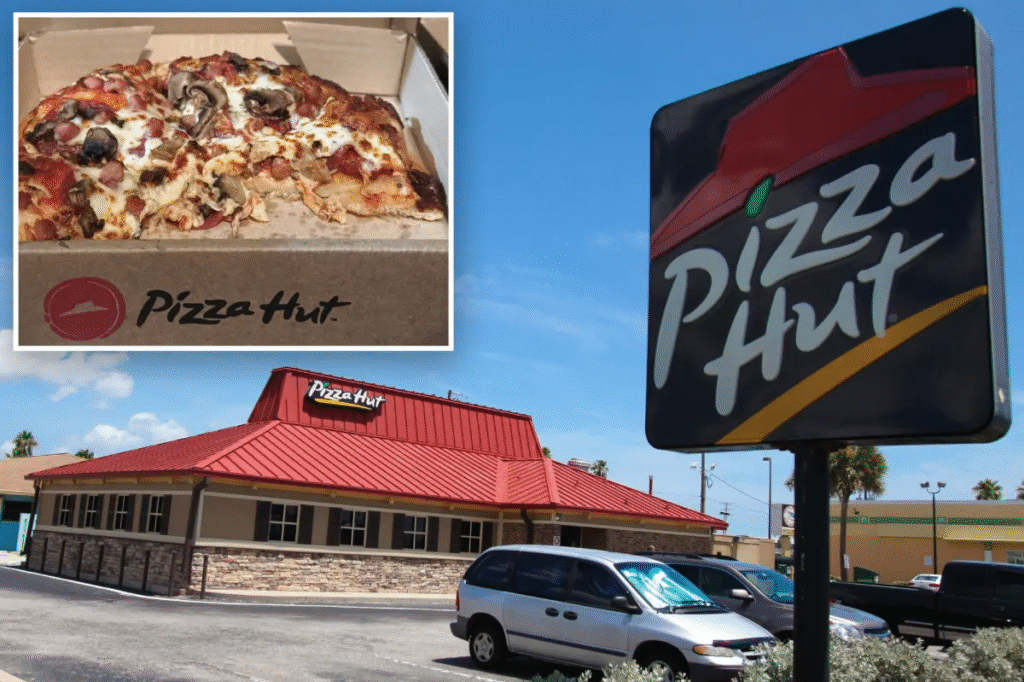
This season, however, Pizza Hut is leaning into that cultural overlap with a piece of marketing that is so obvious it’s a wonder nobody pulled it off sooner. The chain is temporarily dropping the word “Pizza” from its identity, rebranding itself simply as HUT for the duration of the 2026 NFL season.
It is a clever, self-aware move. Instead of trying to force a generic, celebrity-filled football ad down everyone’s throats, they took a term that every quarterback has barked at the line of scrimmage for a century—“Hut, hut, hike!”—and realized they already owned half the phrase.
The Anatomy of a Minimalist Rebrand
In an era where corporate advertising usually feels over-engineered, cluttered, and desperate for attention, there is something refreshingly punchy about a brand taking a knife to its own name.
Seeing a company strip away the exact word that defines its entire business feels jarring. When you drive past a store and see a massive vinyl football banner covering up the word “Pizza,” leaving only the word “HUT” staring back at you, your brain is forced to do a double-take.
That brief pause is the whole point.
Modern audiences have developed a bulletproof immunity to standard sports advertising. We scroll past the commercial breaks, skip the social media banners, and tune out the generic slogans about “game-day excitement.” But when a brand physically alters its storefronts and social media profile pictures, it creates a subtle sense of confusion that naturally sparks curiosity.
People stop, take photos, share them in group chats, and post them online asking, “Wait, did they actually just change their name?” By the time someone answers the question, the brand has already won. They didn’t have to convince you to watch a 30-second spot; they got you to actively research their stunt on your own time.
Why the Concept Works Without Explanation
The genius of the “HUT” campaign lies in its friction-free logic. Most big-budget marketing fails because it demands too much cognitive effort from the consumer. It asks you to remember a new hashtag, understand a complex promotional structure, or memorize a fresh tagline.
Bringing the Pizzeria Home: Game-Day Comfort Baking
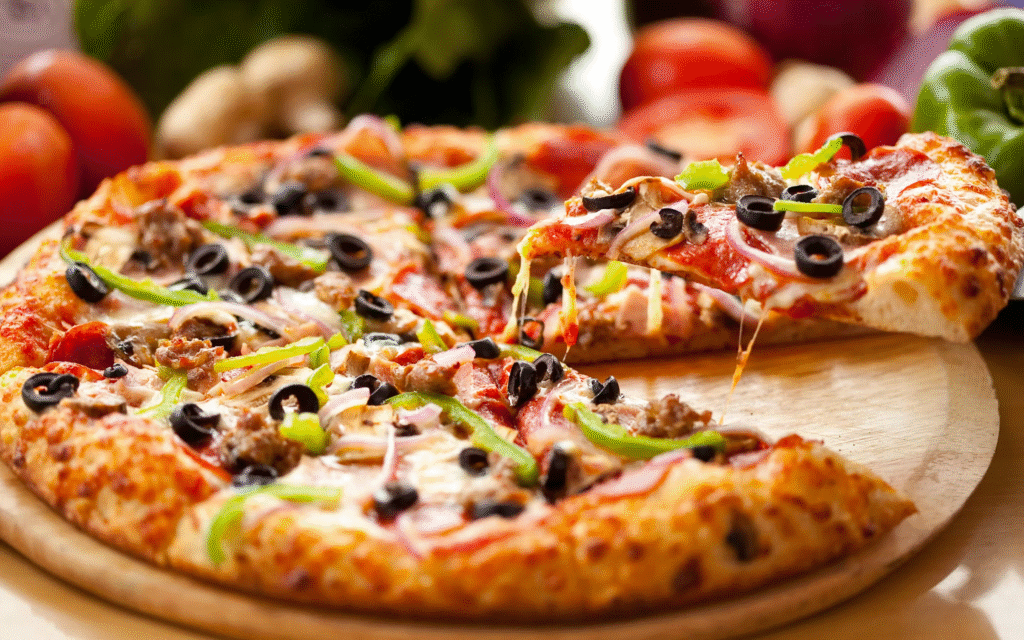
The ultimate goal of any sports-related food marketing is to trigger an immediate craving for hot, doughy, comforting carb-heavy meals. While picking up a cardboard delivery box is undeniably convenient, there is a distinct satisfaction in filling your home with the smell of freshly baked, yeast-risen dough on a game day.
Creating pizzeria-quality crusts and appetizers at home doesn’t require commercial deck ovens or decades of training. With basic kitchen tools, proper dough hydration, and high heat, you can easily replicate classic parlor favorites.
This campaign requires literally zero explanation:
- The Football Connection: “Hut” is the universal cadence of the sport.
- The Brand Connection: “Hut” is already half of their corporate identity.
- The Execution: Combine the two, erase the word “Pizza,” and let the public fill in the blanks.
It builds directly on the playful groundwork the company laid earlier in 2026 with their “Pizza Before the Hut” campaign, which poked fun at quarterback pre-snap calls. Dropping “Pizza” entirely feels like the natural Punchline to that initial joke. It shows a brand that doesn’t take itself too seriously, which is usually the fastest way to win over a skeptical internet audience.
The Strategic Value of Temporary Stunts
Permanent rebrands are notoriously dangerous. Companies spend decades and hundreds of millions of dollars building brand recognition; throwing that away to chase a trend usually ends in disaster.
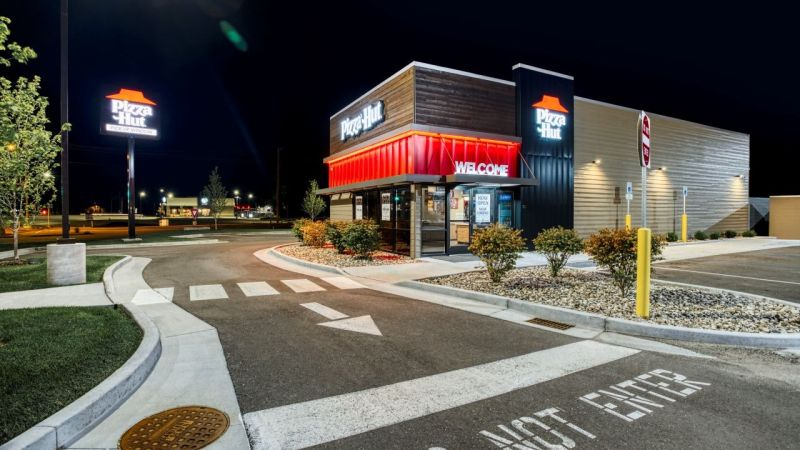
Temporary rebrands, on the other hand, offer all of the reward with virtually none of the long-term risk. They allow a company to play around in pop culture, generate a massive spike in social media engagement, and lean into seasonal nostalgia without alienating their core, traditional customer base.
Pizza Hut isn’t actually abandoning pizza, nor are they changing their core menu. When the Super Bowl wrap-up signals the end of the season, the football banners will come down, the social media profile photos will revert, and “Pizza” will quietly take its place back on the sign.
The temporary nature of the stunt is precisely why it works. It creates a sense of urgency and fun—a 25-week running joke that runs parallel to the football season itself. It reminds people that while the sport on the screen changes every year, the cheesy, crispy, oven-baked comfort food sitting on the living room table remains delightfully the same.
FAQ’S
1. Why is Pizza Hut changing its name?
Pizza Hut is using the name “Hut” as a temporary football-themed campaign for the NFL season.
2. Is Pizza Hut permanently changing its name?
No, the name change is temporary and connected to the NFL season.
3. Why was the word “Hut” chosen?
“Hut” is commonly associated with football quarterback calls before the snap.
4. What is the new Pizza Hut name?
For the campaign, the brand is using “Hut” instead of its full name.
5. Is the campaign related to the NFL?
Yes, the temporary name change is specifically designed around the NFL season and football culture.