
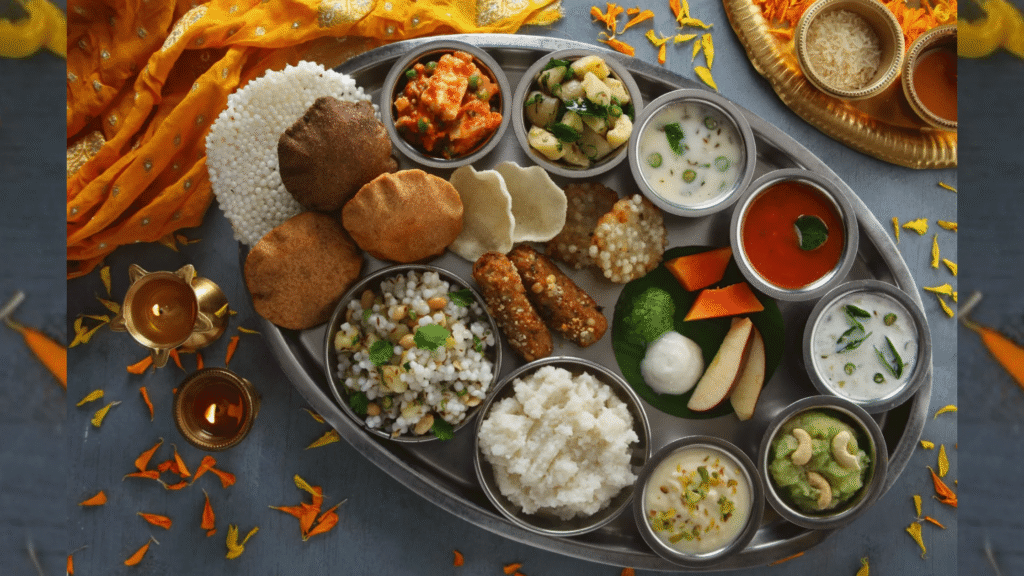
Navratri has a special way of bringing people together. Homes feel more festive, prayers become part of the daily routine, and even simple meals can feel a little more meaningful.For many people, fasting during Navratri doesn’t mean giving up delicious food. It simply means changing the ingredients and keeping meals within the foods allowed during vrat. From crispy sabudana snacks and comforting kuttu dishes to refreshing fruit bowls and creamy makhana recipes, there are plenty of ways to make fasting meals interesting.
The best part is that Navratri food doesn’t have to be complicated. With a few familiar ingredients and some creativity, you can prepare meals that are filling, flavorful, and easy to make at home.
What Is Navratri Vrat Food?
Navratri fasting traditions vary between families and regions, so the foods people eat during vrat aren’t exactly the same everywhere.
Commonly used fasting ingredients may include:
- Sabudana
- Samak rice
- Kuttu flour
- Singhara flour
- Rajgira
- Makhana
- Potatoes and sweet potatoes
- Fruits
- Milk and dairy products
- Nuts and seeds
- Rock salt or send-ha namak
Many people avoid regular grains, pulses, certain vegetables, and ingredients such as ordinary table salt during fasting.
Because traditions differ, it’s always a good idea to follow the fasting rules practiced by your family or community.
Easy Navratri Breakfast Ideas
Starting the day with a satisfying breakfast can make fasting much easier.
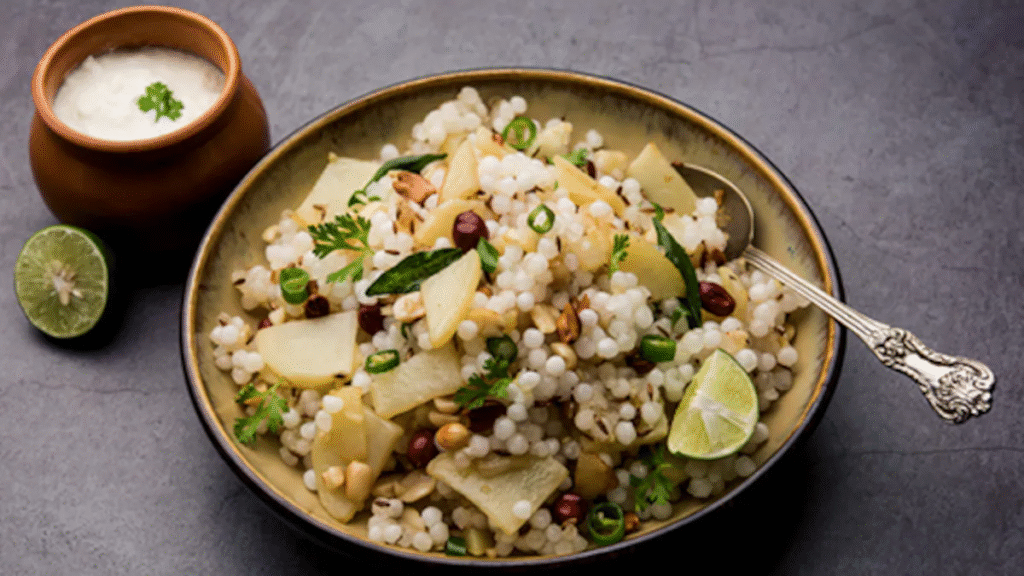
Sabudana Khichdi
Sabudana khichdi is one of the most popular vrat dishes. Soft tapioca pearls are combined with potatoes, roasted peanuts, green chillies, lemon, and spices suitable for fasting.
The secret to good sabudana khichdi is proper soaking. Too much water can make the sabudana sticky, while too little can leave it hard.
Fruit and Yogurt Bowl
If you want something quick, a bowl of fresh fruit with yogurt, nuts, and a little honey can be a simple option.
Choose fruits you enjoy and add chopped almonds or walnuts for extra texture.
Makhana with Milk
Roasted makhana can be combined with warm milk, nuts, and suitable spices for a simple breakfast or light meal.
It’s especially useful when you want something comforting without spending much time in the kitchen.
Navratri Lunch Ideas
Lunch doesn’t have to be boring just because you’re fasting.
Kuttu Roti With Aloe Sabzi
Kuttu flour can be used to make vrat-friendly rotis, which pair well with a simple potato preparation.
Since kuttu flour behaves differently from wheat flour, making the dough can take a little practice. Using enough moisture and handling it gently can make the process easier.
Samak Rice Khichdi
Samak rice, also known as barnyard millet, is commonly used during fasting.
It can be cooked with potatoes, peanuts, cumin, and fasting-friendly seasonings to create a comforting khichdi-style meal.
Singhara Flour Dishes
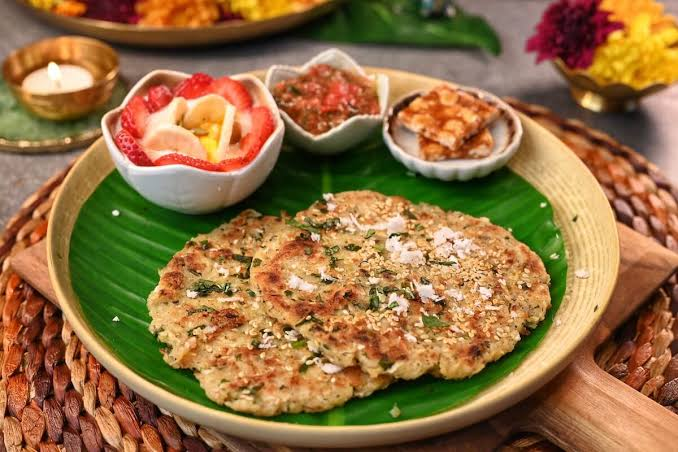
Singhara flour can be used in several fasting preparations, including rotis, pancakes, and other simple dishes.
It has a slightly nutty taste and works well when you want something different from your usual vrat meals.
Delicious Navratri Snack Ideas
Let’s be honest—snacks are often what make fasting days more enjoyable.
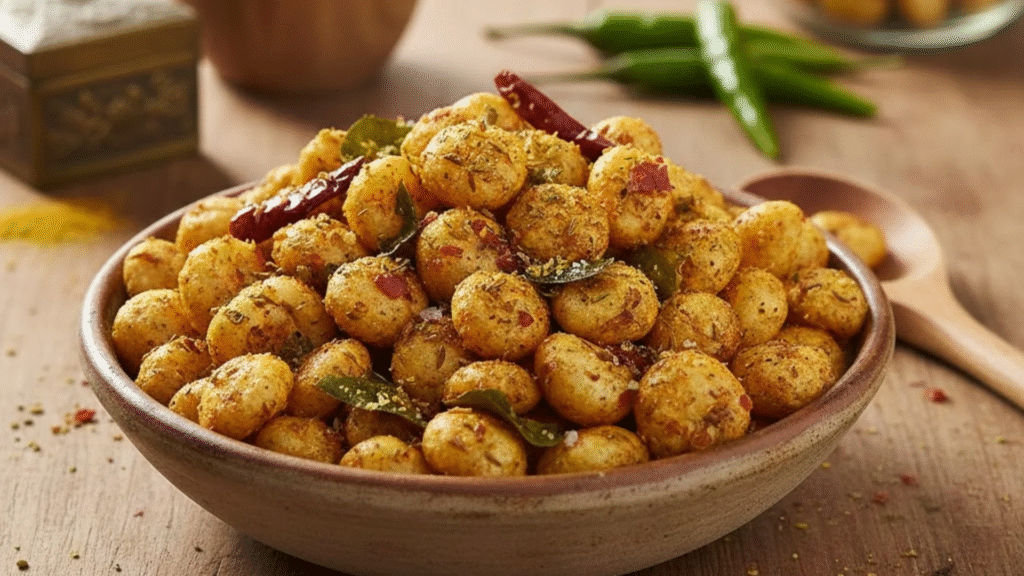
Roasted Makhana
Makhana is one of the easiest Navratri snacks.
Roast it until crisp and season with send-ha namak and fasting-friendly spices. You can prepare a batch and keep it ready for when hunger strikes.
Sabudana Vada
Crispy sabudana vadas are a classic fasting snack.
They’re usually made with soaked sabudana, mashed potatoes, roasted peanuts, and suitable seasonings. They can be deep-fried or prepared using other cooking methods depending on your preference.
Serve them with a fasting-friendly chutney or yogurt.
Sweet Potato Chaat
Boiled or roasted sweet potatoes can be turned into a quick chaat with lemon, roasted cumin, send-ha namak, and fresh herbs that fit your fasting tradition.
It’s simple, filling, and doesn’t require complicated preparation.
Navratri Dinner Ideas
Dinner doesn’t have to be heavy.
Light Sabudana Khichdi
A smaller portion of sabudana khichdi paired with yogurt can work well for a simple dinner.
Samak Rice With Yogurt
Cooked samak rice with a bowl of yogurt and a simple potato preparation can create a comforting evening meal.
Vegetable-Free Vrat Bowl
You can build a simple bowl with boiled potatoes or sweet potatoes, roasted makhana, yogurt, nuts, and fresh fruit, depending on your fasting rules.
The idea is to combine different textures and flavors instead of relying on one ingredient.
Navratri Sweet Recipes
Fasting doesn’t mean you have to completely forget about desserts.
Makhana Kheer
Roasted makhana cooked gently with milk, cardamom, and nuts can make a delicious festive dessert.
Sabudana Kheer
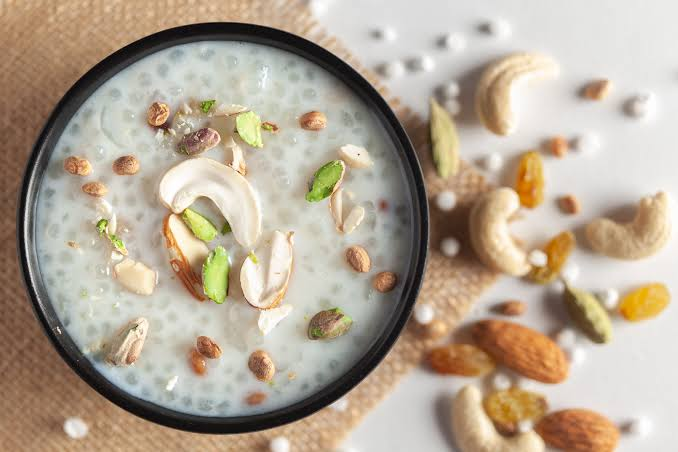
Sabudana can also be used to prepare a creamy kheer. Add milk, suitable sweetener, cardamom, and nuts for a traditional-style dessert.
Fruit Chaat
For something lighter, combine seasonal fruits with a little lemon and suitable fasting-friendly seasoning.
It’s quick, refreshing, and naturally sweet.
How to Make Vrat Food More Interesting
Eating the same potato dish every day can get boring quickly.
The easiest way to add variety is to change the preparation.
For example, potatoes can become:
- Aloe chaat
- Aloe sabzi
- Stuffed kuttu roti filling
- Roasted potatoes
- Potato patties
Similarly, makhana can be roasted, added to kheer, or used in different snack preparations.
A little variety can make a long fasting period feel much easier.
Healthy Navratri Food Tips
Fasting food can be delicious, but that doesn’t automatically make every fasting meal balanced.
Many popular vrat dishes are fried or rich in starch. Eating large portions of fried snacks throughout the day may leave you feeling heavy and tired.
Try to include a variety of foods that are permitted under your fasting tradition.
Include Fruits
Fresh fruits can add natural sweetness, hydration, and variety to your meals.
Add Nuts and Seeds
Almonds, walnuts, peanuts, and other suitable nuts can add texture and nutritional value.
Don’t Forget Fluids
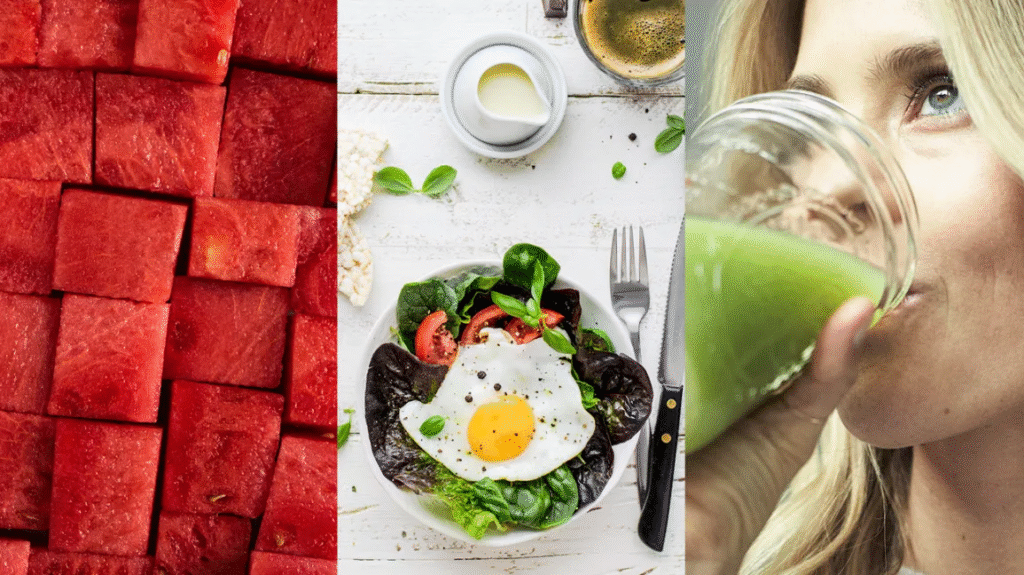
Water should remain an important part of your day unless you have a medical reason to restrict fluids.
Watch Portion Sizes
Even fasting-friendly foods can become heavy when eaten in large quantities.
Instead of continuously snacking, try to create a few satisfying meals and planned snacks.
Cooking Tips for Better Navratri Food
A few small tricks can make fasting meals much easier to prepare.
Soak Sabudana Properly
Sabudana needs the right amount of soaking time and water. Test a pearl between your fingers before cooking to check whether it has softened.
Roast Makhana Before Using
Lightly roasting makhana gives it a better crunch and makes it more enjoyable as a snack.
Keep Ingredients Ready
During Navratri, keep commonly used ingredients such as potatoes, fruits, yogurt, makhana, nuts, and fasting flours available.
This makes it easier to prepare something quickly instead of reaching for packaged snacks.
Don’t Overcomplicate Recipes
Some of the best vrat dishes are also the simplest.
A warm potato dish, fresh yogurt, roasted makhana, or fruit bowl can be satisfying without requiring a long ingredient list.
Trying Too Many New Recipes at Once
Navratri isn’t the best time to discover that a complicated recipe takes two hours to prepare.
Keep a few easy recipes in your regular rotation and experiment when you have time.
Traditional Taste With a Modern Touch
There is nothing wrong with giving classic vrat food a small modern twist.
You can try baked sabudana patties instead of always frying them, prepare fruit-and-yogurt bowls, experiment with makhana snacks, or make lighter versions of traditional dishes.
The goal isn’t to change everything.
It’s simply about making familiar food fit your preferences and lifestyle.
Navratri Food Is About More Than Recipes
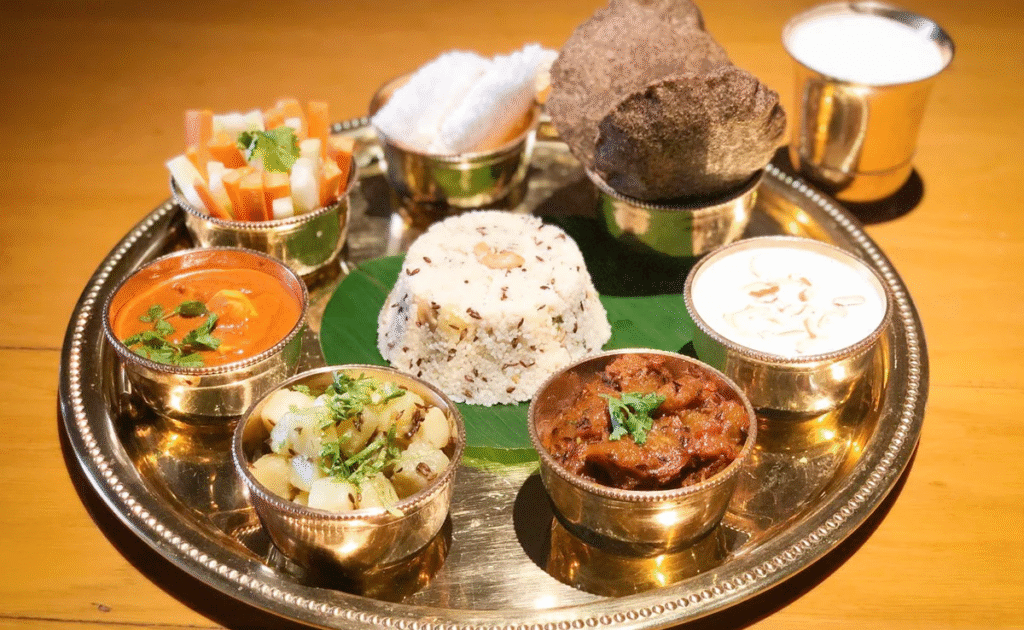
For many families, food during Navratri is closely connected with tradition.
A simple meal prepared at home can remind people of childhood, family gatherings, festive mornings, and recipes passed down through generations.
That’s why there isn’t one perfect Navratri menu.
Every household has its own preferences, rules, and favorite dishes.
The important thing is to respect your fasting tradition while finding meals that keep you comfortable and energized.
FAQ’S
1. What foods can be eaten during Navratri fasting?
Common vrat foods include sabudana, kuttu, singhara flour, samak rice, makhana, potatoes, sweet potatoes, fruits, dairy products, nuts, and send-ha namak, depending on individual fasting traditions.
2. What is an easy Navratri breakfast?
Sabudana khichdi, fruit with yogurt and nuts, makhana with milk, and vrat-friendly pancakes are simple breakfast options.
3. Is sabudana good for Navratri fasting?
Yes, sabudana is commonly eaten during Navratri fasting. It can be prepared as khichdi, vada, or kheer.
4. What can I eat for Navratri lunch?
Kuttu roti with potato sabzi, samak rice khichdi, yogurt, and fasting-friendly vegetable or fruit preparations are popular lunch choices.
5. What are some healthy Navratri snacks?
Roasted makhana, fruit, nuts, sweet potato chaat, and homemade yogurt-based snacks can be lighter alternatives to frequently eating fried vrat foods.