
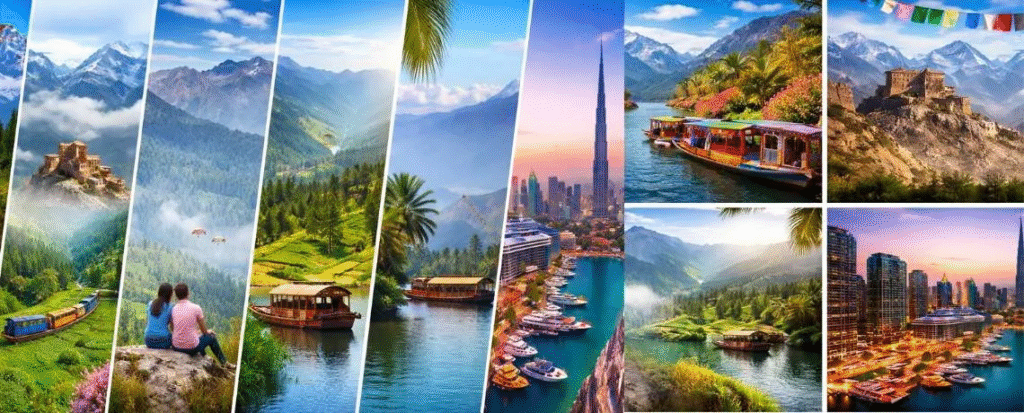
The magic of travel rarely happens when you are rushing through a packed checklist to beat the crowds at a famous landmark. It happens in the unscripted pauses: sipping hot chai at a quiet mountain stall, striking up a conversation with a local artisan in an old town alley, or watching the morning fog roll over a valley without anywhere else you need to be.
As we move through 2026, travel has decisively shifted away from mass-market visual collection and toward intentional, deeply personal experiences. People are trading frantic multi-city marathons for slower itineraries, choosing lesser-known regional pockets over overcrowded tourist traps, and prioritizing authentic cultural immersion, local food networks, and personal restoration.
The 2026 Travel Mindset Matrix
Modern travel is built on balancing intent with flexibility. Here is how modern travel styles stack up against traditional vacation models:
| Travel Style | The Core Shift | High-Impact Experience | Who It’s Perfect For |
|---|---|---|---|
| Slow Travel | Quality of time over volume of locations | Staying 4+ days in a single neighborhood; walking everywhere | Overworked professionals seeking a real mental reset |
| Off-Peak & Regional | Sidestepping mass crowds for authentic charm | Exploring secondary towns near major cultural hubs | Budget-conscious travelers and photography lovers |
| Culinary & Heritage | Connecting with a culture through its foodways | Market tours, farm visits, and regional cooking workshops | Curious foodies and history enthusiasts |
| Micro-Adventures | Nature integration without extreme risk | Low-impact trail hikes, coastal kayaking, lake stays | Weekend travelers and families seeking fresh air |
Key Travel Movements Defining 2026
1. Slow Travel and Neighborhood Immersion
Instead of boarding three flights and two trains to touch five cities in a week, travelers are choosing to drop anchor in a single spot. Spending a week in one neighborhood lets you learn the layout of the local streets, become a regular at a corner bakery, and absorb the authentic rhythm of daily life. The goal is to return home feeling refreshed, not exhausted by your own itinerary.
2. Strategic “Second-City” Exploration
Overtourism in major global hubs has made lesser-known destinations far more attractive. Instead of squeezing into crowded streets during peak season, travelers are seeking out regional gems—like choosing the quiet hills of Uttarakhand or Himachal over crowded commercial stations, or exploring secondary historic towns in Southern Europe and Southeast Asia. You get better prices, warmer local interaction, and room to breathe.
3. Food as the Cultural Anchor

Food is no longer just fuel between sight-seeing stops; it is often the primary reason to take a trip. Food-focused travel in 2026 zeroes in on hyper-regional authenticity. Whether it’s tracing local spice routes across India, exploring regional night markets in Vietnam, or dining at farm-to-table family bistros in rural Italy, eating where the locals eat offers a direct connection to a destination’s history and climate.
4. Practical Micro-Detoxes and Outdoor escapes
Nature travel does not require scaling dangerous peaks or sleeping in extreme wilderness. The growing trend is accessible outdoor time: cozy cabin rentals, gentle coastal walks, lakefront stays, and quiet valley retreats. Travelers are deliberately building “phone-free” half-days into their schedules to step away from notifications and engage directly with their surroundings.
Destination Inspiration by Travel Intent
┌─────────────────────────────────────────────────────────────────────────────────┐
│                     CHOOSE YOUR EXPERIENCE ENGINE                               │
└─────────────────────────────────────────────────────────────────────────────────┘

   NATURE & QUIET                     CULTURE & HERITAGE                FOOD & COASTAL
 ┌──────────────────────────┐       ┌──────────────────────────┐      ┌──────────────────────────┐
 │ • Himachal Pradesh, IN   │       │ • Rajasthan / Varanasi   │      │ • Kerala / Goa, IN       │
 │ • Fjords, Norway         │       │ • Kyoto, Japan           │      │ • Southern Italy         │
 │ • South Island, NZ       │       │ • Oaxaca, Mexico         │      │ • Bali, Indonesia        │
 └──────────────────────────┘       └──────────────────────────┘      └──────────────────────────┘
For Serenity and Nature
- Himachal Pradesh & Uttarakhand (India): Peaceful pine forests, quiet mountain hamlets, and river valleys perfect for slow walking and fresh air.
- Norway’s Fjord Region: Dramatic natural beauty, quiet coastal ferry routes, and accessible eco-lodges integrated into nature.
For Rich History and Craft
- Rajasthan & Varanasi (India): A deep dive into traditional craftsmanship, living heritage, ancient architecture, and vibrant public markets.
- Kyoto (Japan): Timeless temple gardens, historic wooden machiya townhouses, and traditional craft traditions best experienced slowly on foot.
For Restful Coastal Living
- Kerala (India): Slow-moving backwaters, serene coastal stretches, traditional Ayurvedic wellness stays, and rich coconut-infused cuisine.
- Oaxaca (Mexico): World-renowned culinary traditions, vibrant indigenous textile arts, and a deeply welcoming street-market culture.
How to Build a Frictionless 2026 Itinerary
Planning a trip should elevate your excitement, not increase your stress levels. Use these pragmatic steps to shape your next journey:
- Rule of One Major Activity: Schedule only one non-negotiable anchor activity per day (a museum visit, a hike, or a cooking class). Leave the remaining hours completely open for organic exploration, long lunches, or resting.
- Anchor Near Transit: Choose accommodations within easy walking distance of local transit or central neighborhoods to avoid wasting hours in city traffic every morning.
- Prioritize Daily Logistics Over Fancy Amenities: Choose lodging based on practical comfort—good natural light, quiet streets, and proximity to grocery markets or local cafés—rather than paid luxury features you won’t use.
- Digitize Safely: Keep offline copies of maps, transit passes, and essential travel documents stored securely on your phone, but carry a small physical paper note with local emergency contacts and hotel addresses just in case.
- Budget for Meaning, Not Stuff: Divert funds away from mass-produced souvenirs and overpriced airport convenience items. Spend that money instead on a memorable meal, a local guide, or supporting independent neighborhood makers.
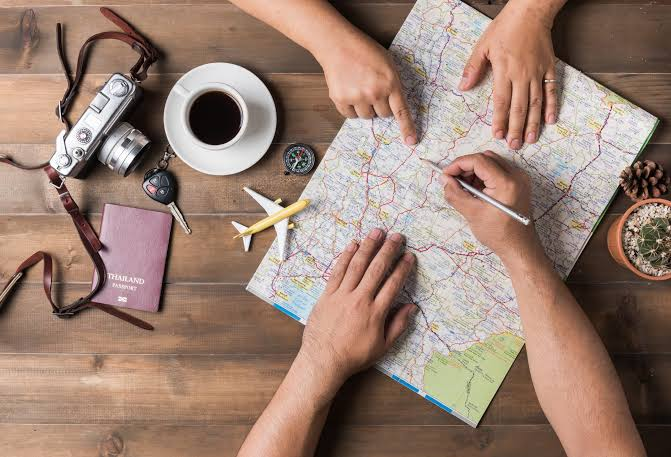
The best trips aren’t measured by how many photos you post or how many famous landmarks you check off. They are measured by the quiet moments that stay with you long after you’ve unpacked your bags at home.
Best Travel Destinations to Consider in 2026
If you are looking for destination inspiration, think about the type of experience you want first.
For Nature Lovers
Consider destinations known for mountains, forests, beaches, wildlife, and outdoor activities.
Places such as Himachal Pradesh, Uttarakhand, Kerala, New Zealand, Switzerland, Norway, and Costa Rica can be strong choices depending on your budget and travel style.
Digital Detox Trips Are Finding Their Place
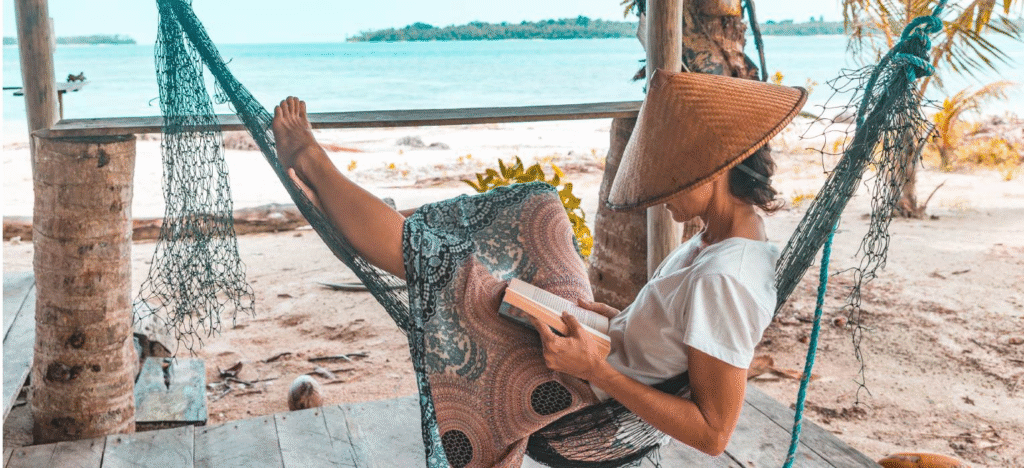
Being connected all the time can make it difficult to truly relax.
That is why digital detox travel is becoming appealing to people who want a break from constant notifications.
A digital detox doesn’t necessarily mean turning your phone off for an entire week.
You could simply avoid social media during meals, spend a few hours without your phone each day, or choose a destination where nature becomes the main attraction.
Taking fewer photos and actually experiencing the moment can change the way you remember a trip.
FAQ’S
1. What are the top travel trends in 2026?
Slow travel, local experiences, nature trips, wellness travel, solo travel, and sustainable tourism are popular trends in 2026.
2. What are the best travel destinations for 2026?
Popular choices include India, Japan, Switzerland, Thailand, New Zealand, Bali, and Costa Rica.
3. How can I travel on a budget in 2026?
Travel during off-peak periods, compare prices, choose affordable stays, use public transport, and plan your budget in advance.
4. Is solo travel a good option in 2026?
Yes. Solo travel offers flexibility and freedom while allowing travelers to explore destinations at their own pace.
5. How can technology improve travel planning?
Travel apps, digital maps, translation tools, and AI-powered planners can help organize itineraries, navigation, bookings, and travel information.