
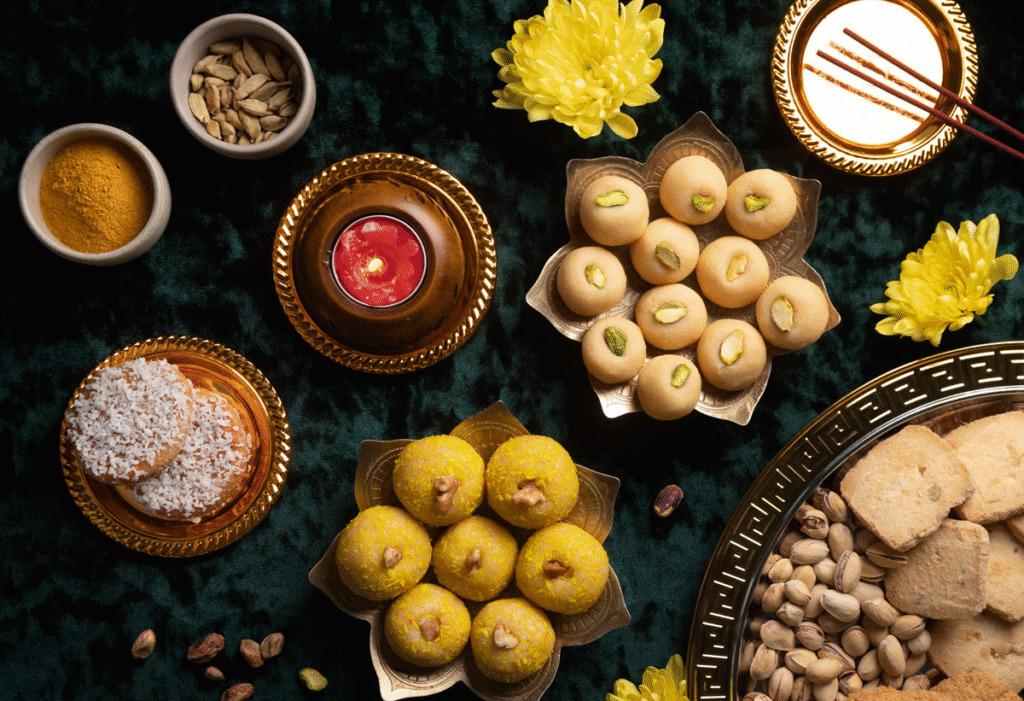
Janmashtami is one of those festivals where the whole house seems to feel a little different. There is a sense of excitement in the air, the home gets decorated, devotional songs can be heard, and the kitchen Janmashtami Recipes becomes just as important as the prayer area. For many families, the celebration is incomplete without preparing something special to eat.
Food has always been closely connected with Indian festivals, and Janmashtami is no different. Since the festival celebrates the birth of Lord Krishna, many traditional preparations include ingredients such as milk, curd, butter, fruits, makhana, and other simple foods associated with the occasion. Families also prepare different vrat recipes depending on their customs and the way they observe the fast.
Some people keep a strict fast throughout the day, while others have a meal once the puja is completed. Because Janmashtami traditions can vary from one family to another, the food prepared at home can also look quite different. Still, there are plenty of classic recipes that have earned a special place on Janmashtami menus.
From comforting sabudana khichdi and crispy sabudana vada to creamy kheer, homemade peda, and makhan mishri, these dishes can make the celebration feel warm, festive, and genuinely homemade.
Sabudana Khichdi
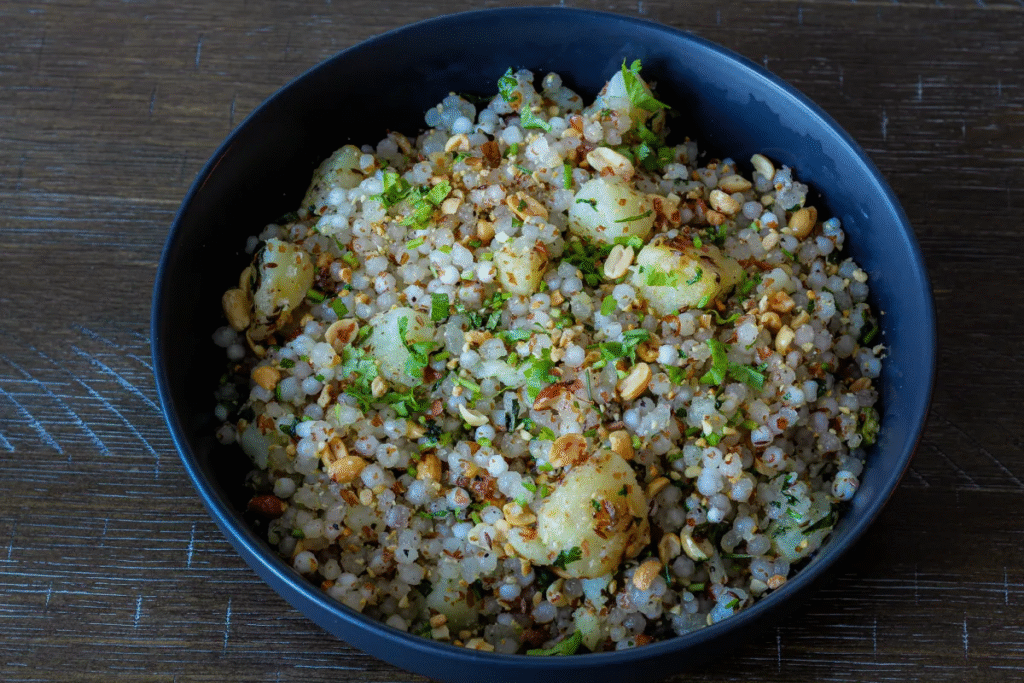
Sabudana khichdi is probably one of the first dishes people think about when fasting food comes up. It is simple, filling, and doesn’t require a huge list of ingredients. But while the recipe itself is quite straightforward, getting the texture of the sabudana right can take a little practice.
The soaked tapioca pearls are cooked with potatoes, roasted peanuts, cumin, green chilies, and suitable fasting seasonings. A squeeze of lemon juice toward the end adds a little freshness and balances the flavors.
The soaking step is especially important. If the sabudana absorbs too much water, it can turn sticky and lose its pleasant texture. When soaked properly, each pearl stays soft while remaining separate.
A plate of warm sabudana khichdi with chilled yogurt makes a comforting choice for a Janmashtami meal. It is filling enough to keep you satisfied without making the meal feel unnecessarily heavy.
Sabudana Vada
If you want something crisp instead of soft, sabudana vada is a wonderful option. These little golden patties have a crunchy exterior and a soft, flavorful center, which is exactly why they disappear so quickly once they reach the table.
The mixture generally combines soaked sabudana with mashed potatoes, roasted peanuts, green chilies, and fasting-friendly seasonings. Once everything is mixed together, it is shaped into small patties and cooked until golden.
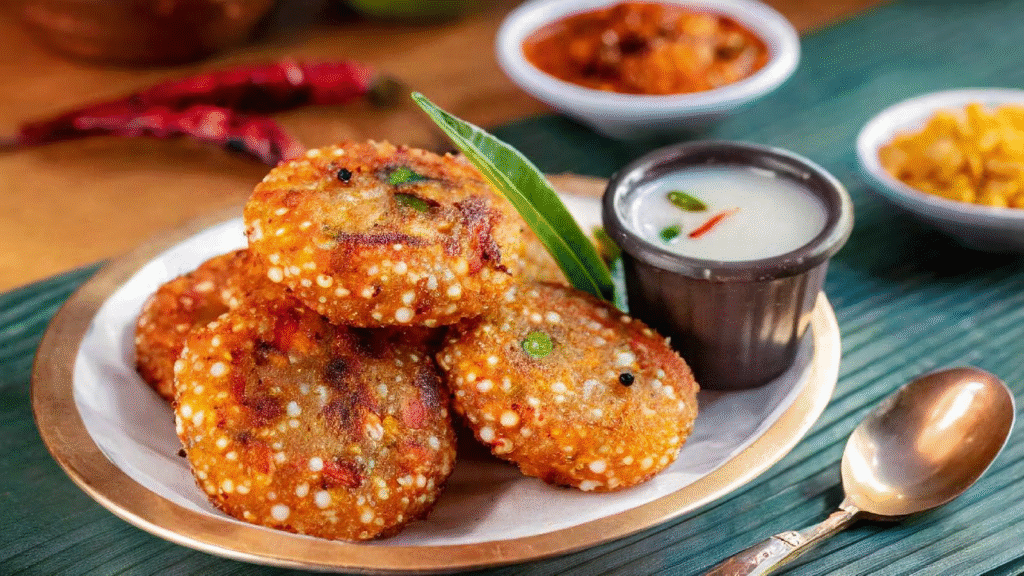
Sabudana vada tastes best when served hot. A bowl of chilled yogurt on the side makes a lovely combination, especially on a day when most of the food is traditionally fasting-friendly.
If you are trying to reduce the amount of oil, you can also experiment with an air fryer, provided the preparation fits your fasting practices.
Makhana Kheer
Janmashtami is a wonderful excuse to make a creamy dessert, and makhana kheer is one of the nicest options.
Makhana, or fox nuts, are roasted lightly before being cooked slowly in milk. As the makhana softens, the milk becomes richer and creamier. Sugar and cardamom give it the familiar sweet flavor, while almonds, pistachios, or other nuts can add a little crunch.
Some people like to leave the makhana slightly chunky, while others crush part of it so the kheer becomes thicker. There really isn’t a wrong way to do it.
You can enjoy the kheer warm immediately after preparing it, or chill it and serve it later. Both versions have their own charm.
Roasted Makhana
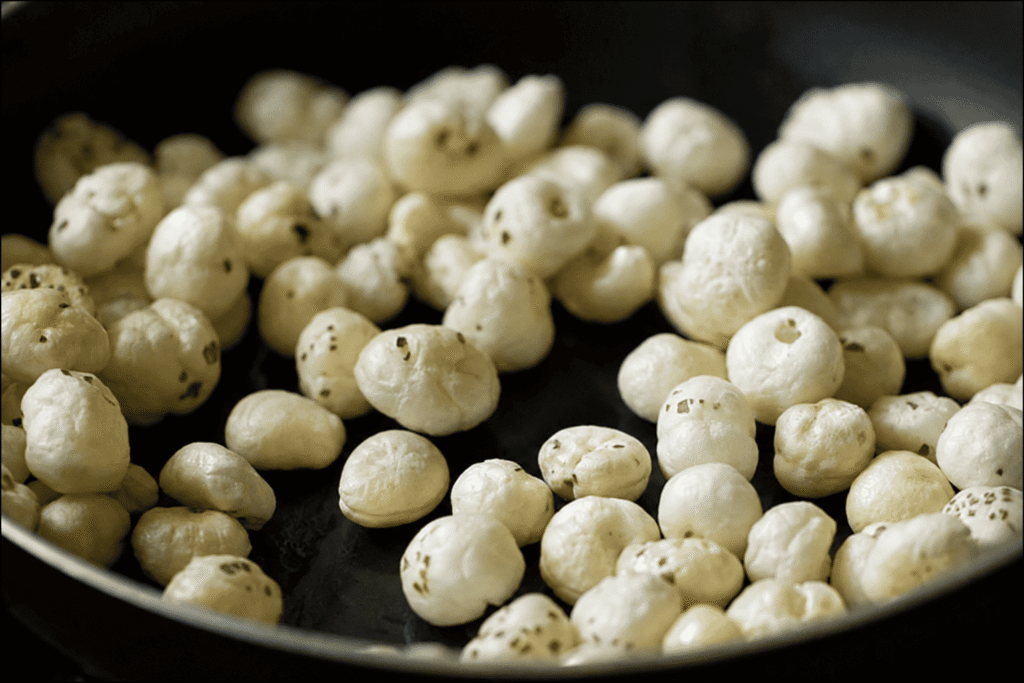
Makhana doesn’t always have to become dessert.
If you’re looking for something quick to snack on during the day, roasted makhana is an easy choice. A little ghee, rock salt, cumin, and suitable fasting spices are enough to turn plain makhana into a crunchy snack.
It is particularly useful when you want something light between meals. There is also something satisfying about its crunch, especially when you’re surrounded by softer foods during a vrat.
The best part is that it takes very little time to prepare.
Aloo Jeera
Sometimes the simplest food is the most comforting, and aloo jeera is a perfect example.
Soft potatoes cooked with cumin, green chilies, coriander, and suitable spices make a dish that feels familiar and homemade. The aroma of cumin sizzling in ghee can make the kitchen smell wonderful even before the potatoes are added.
For Janmashtami, the recipe can be adjusted according to the fasting rules followed by your family.
Aloo jeera can be eaten with vrat-friendly puris, served alongside yogurt, or simply enjoyed on its own. It doesn’t need much decoration or complicated preparation to taste good.
Singhara Atta Puri
Singhara flour, also known as water chestnut flour, is commonly used during fasting and can be turned into delicious puris.
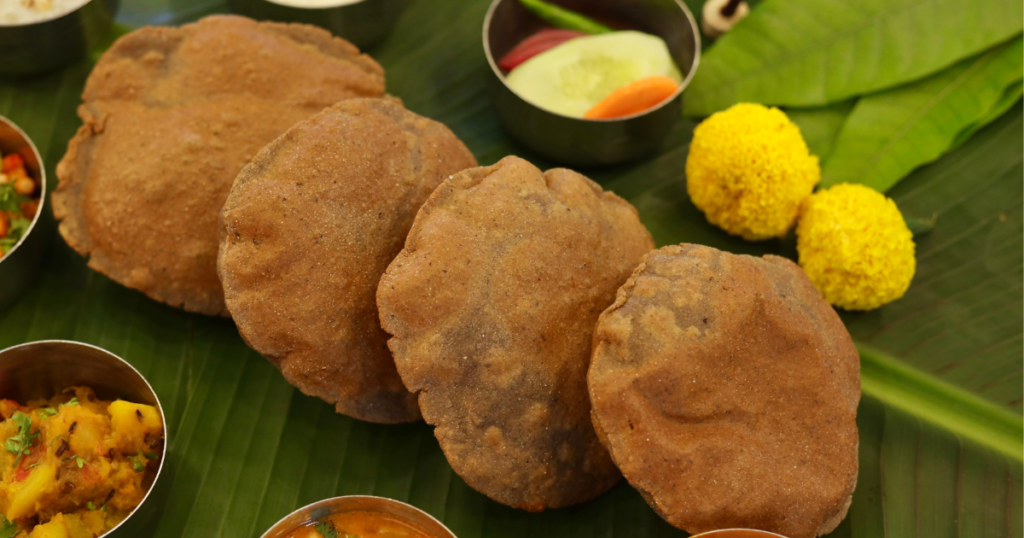
The dough behaves differently from regular wheat dough, so it may take a little patience when you’re making it for the first time. It can be more delicate and may require gentle handling.
Once prepared, the puris can be fried until they become lightly crisp outside while remaining soft inside.
Pair them with potato curry, yogurt, or another fasting-friendly preparation, and you have a satisfying festive meal.
Kuttu Ki Puri
Kuttu flour is another familiar ingredient during vrat.
Kuttu ki puri has a slightly nutty taste and works particularly well with potato-based dishes. The dough needs to be handled carefully because kuttu flour doesn’t have the same properties as wheat flour.
Freshly prepared puris are always the best. When they’re hot and crisp, they can make even a simple potato dish feel like a proper festive meal.
If you’re preparing them for guests, it is a good idea to serve them immediately rather than letting them sit for too long.
Samak Rice Pulao
If you want something filling but don’t want another fried dish, samak rice pulao can be a great addition.
Samak rice, often called barnyard millet, can be cooked with potatoes, peanuts, cumin, green chilies, and other ingredients allowed during fasting.
The result is light, flavorful, and satisfying. It can easily become the main dish of a vrat meal.
Serve it with chilled yogurt or a simple fasting-friendly raita, and you have a meal that feels complete without being overly complicated.
Lauki Raita
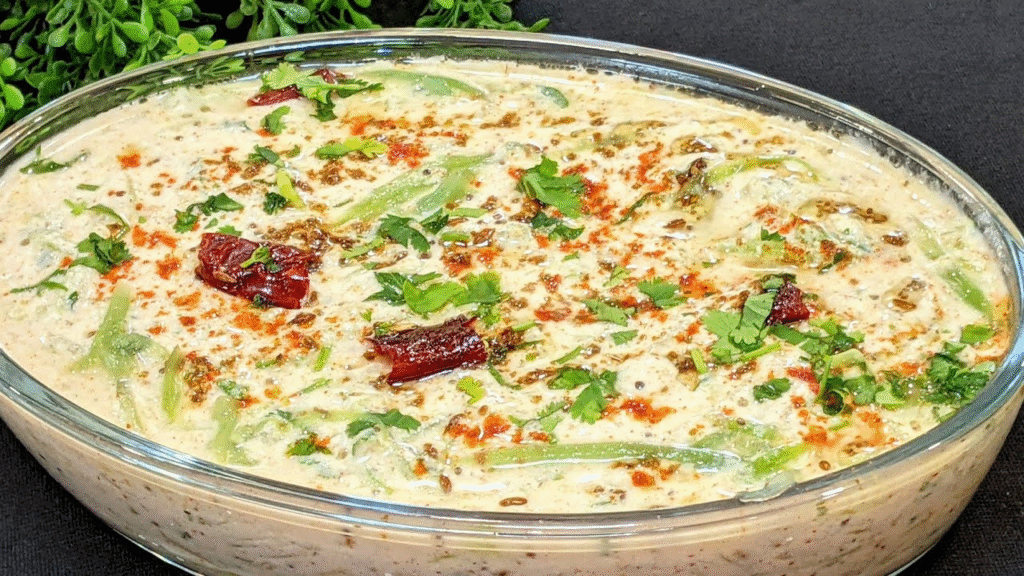
When a festive menu includes several rich or fried dishes, something cool can really balance everything.
Lauki raita is simple and refreshing. Cooked bottle gourd is mixed with yogurt and mild seasonings to create a light side dish.
It works nicely with puris, pulao, and potato preparations. Serving it chilled makes it even more enjoyable, especially if the weather is warm.
A little roasted cumin powder can add extra flavor if it is suitable for your family’s fasting tradition.
Fresh Fruit Chaat
Not every Janmashtami dish needs to involve cooking.
Fruit chaat is one of the easiest ways to add something fresh to the meal. You can use whatever fruits are available, such as bananas, apples, pomegranate, grapes, papaya, or seasonal favorites.
A little lemon juice and fasting-friendly seasoning can bring the flavors together.
Fruit chaat is especially useful when you’re cooking for several people because you can prepare a large bowl without spending much time in the kitchen.
It also adds a fresh contrast to fried snacks and creamy desserts.
Dahi Aloo
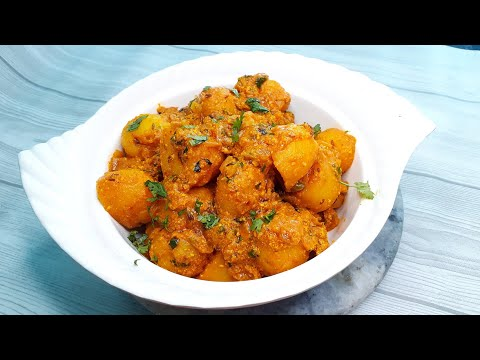
Dahi aloo is another comforting dish that fits nicely into a traditional vrat meal when prepared with permitted ingredients.
Soft potatoes are combined with a yogurt-based gravy and mild seasonings.
The yogurt gives the dish a creamy texture while keeping the flavors relatively simple.
It goes particularly well with kuttu or singhara puris.
If you’re already preparing several strongly flavored dishes, keeping the dahi aloo mild can actually make the overall meal more enjoyable.
Paneer Preparations
For families that include paneer during fasting, a simple paneer dish can bring some variety to the menu.
Paneer can be lightly cooked with suitable spices or prepared with a mild yogurt-based gravy. There is no need to make it overly rich or complicated.
A simple paneer preparation can work particularly well when you’re serving several other dishes.
Of course, fasting rules vary, so check what ingredients are permitted in your household before preparing it for Janmashtami.
Homemade Peda
A Janmashtami celebration wouldn’t feel quite the same without sweets.
Peda is one of the most familiar milk-based sweets and makes a beautiful addition to a festive plate. Traditionally, it can be made using khoya or milk solids along with sugar and cardamom.
You can finish the pedas with a small piece of pistachio, almond, or another nut.
Don’t worry if your homemade pedas aren’t perfectly identical. Handmade sweets often look more inviting when they have small differences in shape.
Arrange them on a traditional plate and they immediately feel like part of a celebration.
Makhan Mishri
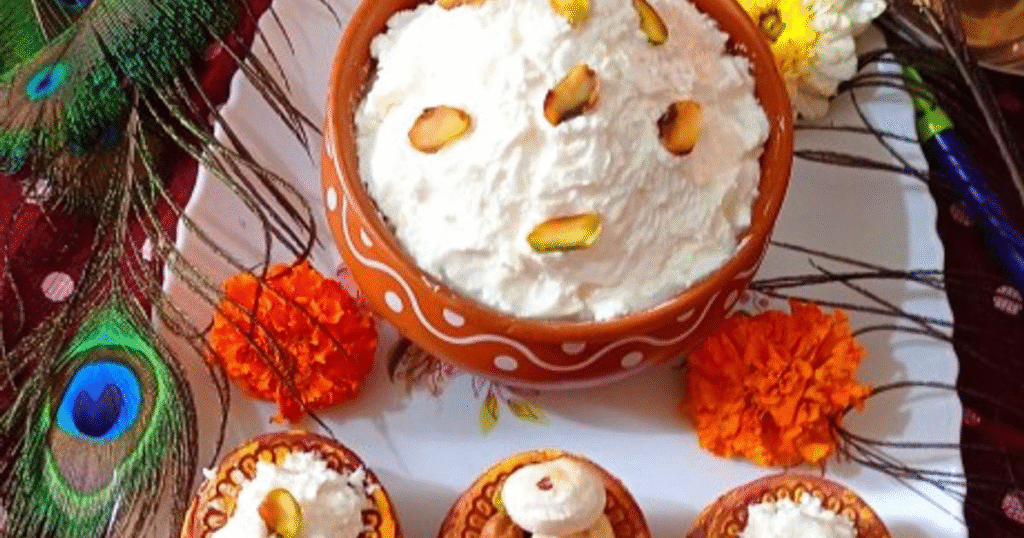
When you think about Krishna, butter is naturally one of the foods that comes to mind.
Makhan mishri is wonderfully simple. Fresh butter is combined with mishri to create a sweet and creamy preparation that can be served as an offering according to family traditions.
There is no complicated cooking involved, which is particularly convenient when you’re already busy preparing other dishes.
Sometimes the simplest preparations are the ones that carry the strongest traditional feeling.
Dry Fruit Ladoo
For people who prefer a richer, less syrupy sweet, dry fruit ladoos are worth trying.
Dates, almonds, cashews, pistachios, and other nuts can be combined and shaped into small ladoos. Dates can provide most of the sweetness, while the nuts give the ladoos a satisfying texture.
They are also easy to store for a short period, making them useful when you’re preparing several dishes in advance.
Traditional Kheer
There is something about kheer that instantly makes a meal feel festive.
A traditional milk-based kheer can be slowly cooked with rice, sugar, cardamom, saffron, and nuts according to your family’s preferences.
The slow cooking is what gives kheer its rich and creamy character.
It may take a little patience, but the smell coming from the kitchen while it cooks is part of the experience.
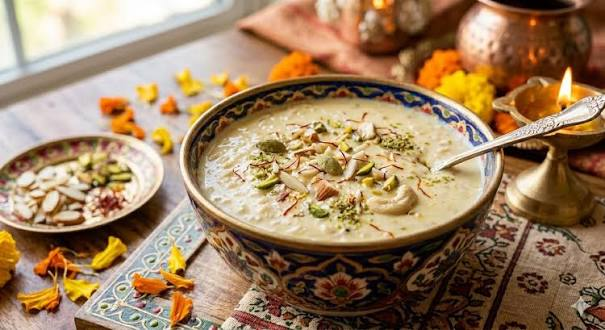
If you’re making kheer as an offering, follow the ingredients and preparation practices traditionally observed in your home.
Add Something Refreshing
A festive meal can become quite filling, particularly when it includes puris, fried snacks, sweets, and rich dairy-based dishes.
A refreshing drink can balance things out.
Depending on your fasting traditions, you could serve lassi, flavored milk, coconut water, or a simple fruit-based drink.
Cardamom or saffron can give milk-based drinks a festive touch without requiring much extra effort.
Remember That Fasting Traditions Differ
One important thing to remember is that Janmashtami fasting rules aren’t identical everywhere.
Different families and regions follow different customs. Some people avoid certain ingredients completely, while others include them during vrat.
Because of this, don’t assume that every recipe described online as “Janmashtami food” will automatically suit your family’s traditions.
If you’re preparing food for relatives or guests, it is always better to confirm what they consider acceptable during the fast.
The celebration is about devotion and tradition, so respecting those traditions should come before following a recipe simply because it is popular online.
The Recipes That Mean the Most
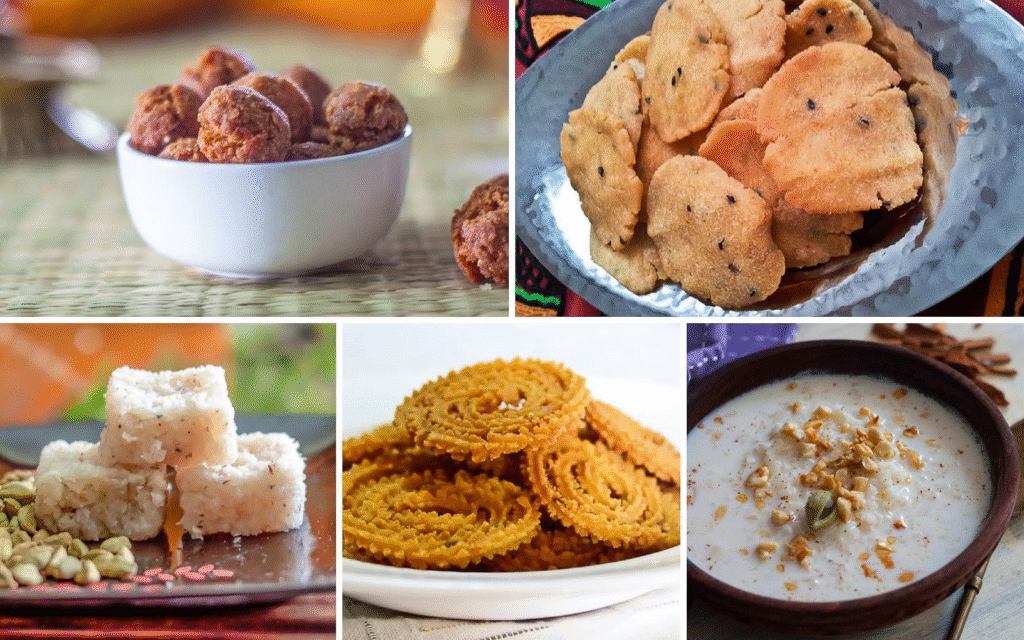
There is often one dish that makes a festival feel like home.
Maybe it’s the peda that your family has been making for years. Maybe it’s your mother’s sabudana vada, your grandmother’s kheer, or the simple makhan mishri prepared every Janmashtami.
These recipes may not be complicated, but they carry memories.
That is one of the nicest things about festive food. A particular smell can take you back to childhood. A familiar taste can remind you of family members who prepared the same dish year after year.
So while trying new Janmashtami recipes can be fun, don’t forget the traditional dishes that already have a place in your family’s heart.
FAQ’S
1. What are popular Janmashtami recipes?
Sabudana khichdi, sabudana vada, makhana kheer, kuttu puri, peda, and makhan mishri are popular choices.
2. What food is prepared during the Janmashtami fast?
Common vrat foods include sabudana, makhana, potatoes, fruits, kuttu, singhara flour, and dairy-based dishes.
3. What sweets are popular for Janmashtami?
Peda, makhana kheer, coconut ladoo, dry fruit ladoo, and traditional kheer are popular festive sweets.
4. Can I prepare Janmashtami food at home?
Yes, many Janmashtami dishes are simple enough to prepare at home with everyday ingredients.
5. What food is traditionally offered to Lord Krishna?
Foods such as makhan mishri, milk-based sweets, fruits, peda, and other homemade preparations are commonly offered according to family traditions.